









What's Happening?
The Los Angeles County Department of Public Health has reported its first case of West Nile virus for the year, involving an Antelope Valley resident who has been hospitalized with West Nile virus encephalitis. This condition, which can lead to severe
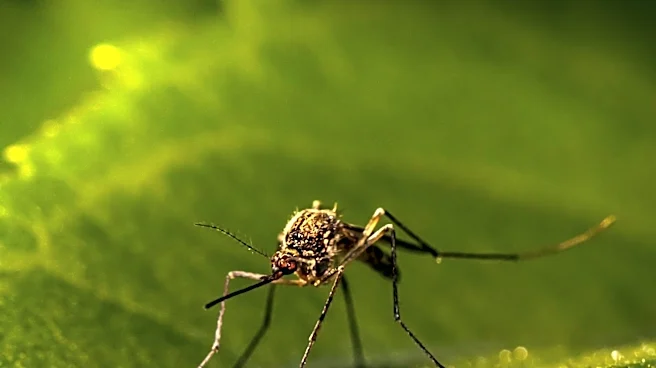
symptoms such as fever, altered mental status, and movement disorders, occurs in less than 1% of those infected. The announcement comes as local and federal health officials note a significant increase in West Nile virus activity nationwide, with at least 48 human cases reported by the end of June, including 38 severe neuroinvasive cases. The virus, primarily spread by Culex mosquitoes, has been a persistent presence in California for over two decades, with no specific treatment or vaccine available.
Why It's Important?
The rise in West Nile virus cases highlights the ongoing public health challenge posed by mosquito-borne diseases in the U.S., particularly in California. The virus can lead to severe health outcomes, especially for individuals over 50 or those with preexisting conditions. The increase in cases underscores the need for effective mosquito control measures and public awareness to prevent infections. The situation also reflects broader environmental and public health issues, as climate change and urbanization may contribute to the spread of mosquito habitats, increasing the risk of transmission.
What's Next?
Public health officials are likely to intensify efforts to control mosquito populations and educate the public on preventive measures, such as using mosquito repellents and eliminating standing water where mosquitoes breed. Monitoring and reporting of West Nile virus cases will continue, with health departments across the country remaining vigilant. The situation may prompt further research into vaccine development and more comprehensive strategies to address mosquito-borne diseases.