






What's Happening?
The Woodlands Township Board has unanimously approved the installation of three new cell towers in local parks: Terramont Park, Cattail Park, and the Rob Fleming Recreation Center. This decision followed a public hearing and a presentation by Chief Technology
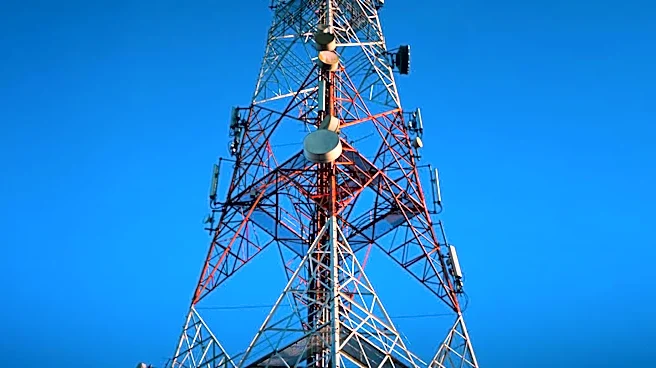
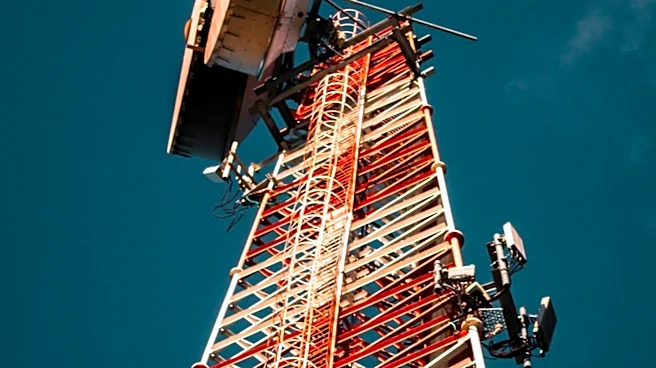
and Innovation Officer William Pham and Katie Harms, Manager, Strategic Partnerships & Site Acquisition for Diamond Communications. The public hearing was a necessary step due to the proposed installations placing non-recreational uses on Township parkland. These three sites represent the initial phase of a broader initiative aimed at improving cellular coverage in areas of The Woodlands that currently experience limited or unreliable service. The approved towers, designed to be 120-foot mono-pines, will be constructed to blend with the surrounding natural environment. Their locations were carefully chosen in collaboration with the Township’s Parks and Recreation Department to minimize any potential impact on park users and adjacent areas. Diamond Communications is responsible for completing all required environmental, Federal Communications Commission (FCC), and Federal Aviation Administration (FAA) reviews as part of the site development process. Construction of these first three towers is projected to take approximately nine to ten months following the execution of the lease agreements.
Why It's Important?
This approval is significant for the residents and visitors of The Woodlands, as it directly addresses a critical need for improved cellular connectivity in public spaces. Enhanced cellular coverage in parks will not only improve communication for recreational users but also bolster public safety by ensuring more reliable access to emergency services. For businesses, particularly those reliant on mobile communication, better coverage can facilitate operations and improve customer service within these areas. The strategic design of the towers as 'mono-pines' reflects a commitment to environmental aesthetics, aiming to integrate essential infrastructure without detracting from the natural beauty of the parks. This approach could set a precedent for future infrastructure development in other communities, balancing technological advancement with environmental preservation. The project also signifies a collaborative effort between local government and private enterprise to address community needs, potentially stimulating further investment in local infrastructure and technology. The involvement of federal agencies like the FCC and FAA underscores the regulatory complexities and the importance of adhering to national standards for telecommunications infrastructure.
What's Next?
Following the unanimous approval by The Woodlands Township Board, the next steps involve the execution of lease agreements by the President and CEO, subject to final legal counsel approval. Diamond Communications will then proceed with obtaining the necessary environmental, FCC, and FAA reviews. These regulatory processes are crucial and can influence the project timeline. Once all approvals are secured, construction of the first three cell towers is anticipated to commence, with an estimated duration of nine to ten months. During this period, residents can expect to see site preparation and construction activities in Terramont Park, Cattail Park, and the Rob Fleming Recreation Center. The success of this initial phase will likely inform and potentially accelerate the broader effort to expand cellular coverage across other underserved areas of The Woodlands. Public engagement and communication from the Township and Diamond Communications will be important to keep residents informed about construction progress and any potential temporary disruptions.
Beyond the Headlines
The decision to integrate cell towers into parkland, even with aesthetic considerations like 'mono-pines,' highlights a growing tension between the demand for ubiquitous connectivity and the preservation of natural and recreational spaces. This project reflects a broader societal trend where digital infrastructure is increasingly becoming a fundamental utility, akin to water or electricity, rather than a luxury. The careful coordination with the Parks and Recreation Department and the design choice of mono-pines suggest an evolving understanding of how to balance technological advancement with community values and environmental stewardship. This could lead to more innovative and aesthetically integrated infrastructure solutions in urban and suburban green spaces nationwide. Furthermore, the requirement for public hearings for non-recreational uses on parkland underscores the importance of local governance in mediating these competing interests, ensuring that community input is considered in the development of essential services. The long-term implications could include a re-evaluation of land use policies in public parks to accommodate necessary modern infrastructure while maintaining their primary purpose for recreation and conservation.