

What's Happening?
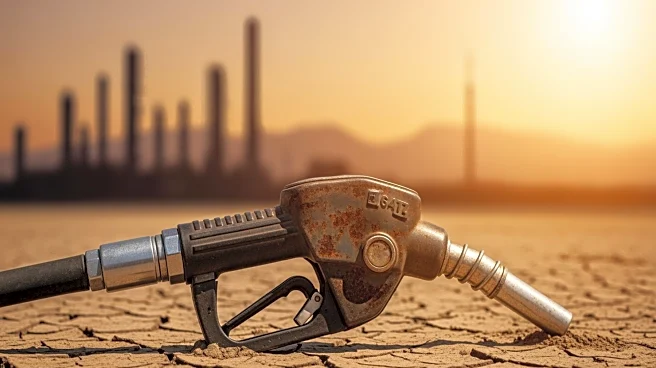
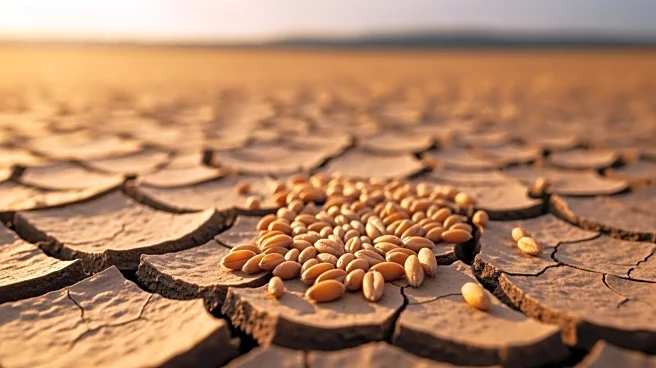
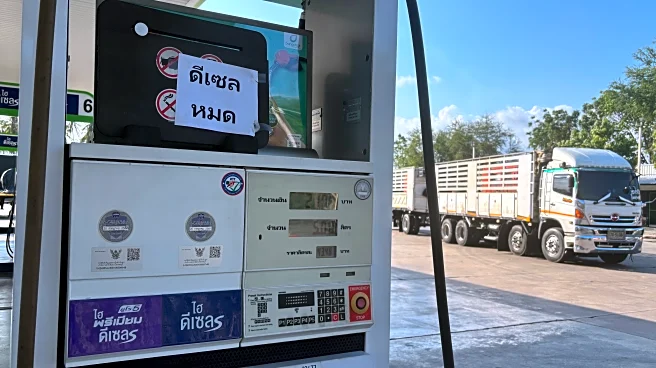
The ongoing conflict in Iran is leading to a significant increase in global food prices due to rising costs of fuel, fertilizers, and pesticides. Experts warn that even if the conflict ends immediately, the repercussions on food production will persist,
potentially leading to a major food crisis. The situation is exacerbated by climate change and previous disruptions such as the COVID-19 pandemic and the war in Ukraine. The U.S. has announced an increase in bioethanol production to mitigate fuel price hikes, which could further impact food prices.
Why It's Important?
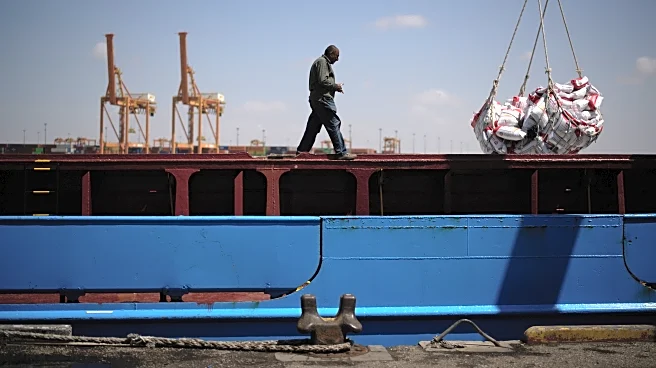
The rising food prices are expected to disproportionately affect those at the lower end of the income spectrum, who spend a significant portion of their income on food. This could lead to increased food insecurity and social unrest in affected regions. The situation highlights the vulnerability of global food systems to geopolitical conflicts and climate change, emphasizing the need for sustainable agricultural practices and energy transitions to mitigate future shocks.
What's Next?
Countries may need to reconsider biofuel production policies to prevent further increases in food prices. There is potential for international agreements to limit biofuel production from food sources during times of high food prices. Additionally, accelerating the transition to renewable energy and sustainable farming practices could help build resilience against future food shocks.
Beyond the Headlines
The crisis underscores the need for a transformation in global food systems, including changes in dietary habits and agricultural practices. Reducing reliance on fossil fuels for fertilizer production and increasing the use of renewable energy could be crucial steps in preventing similar crises in the future.