


What's Happening?
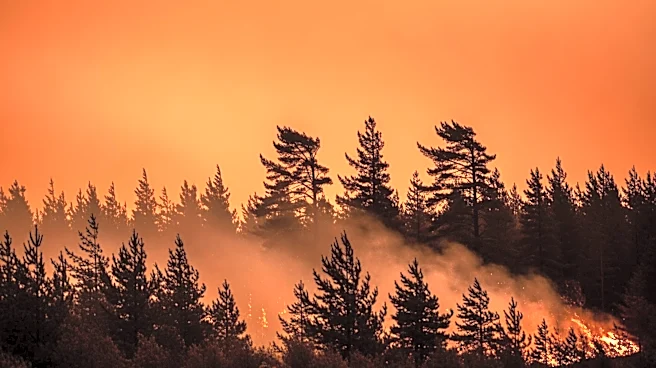
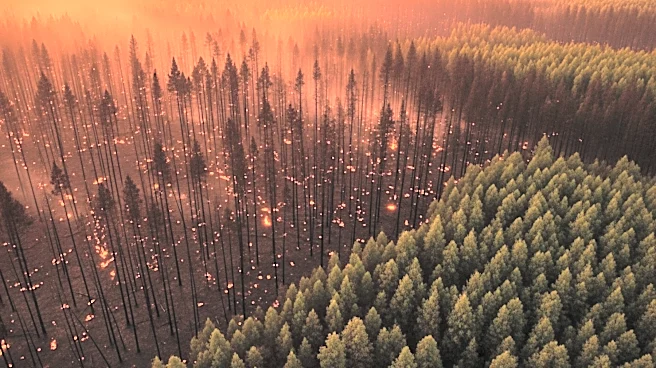
In southeastern Georgia, two significant wildfires are posing a severe threat to homes and lives. The Highway 82 Fire, which began on Monday, has already destroyed at least 87 homes, marking it as the most destructive wildfire in Georgia's history. The fire was
ignited by a foil balloon that hit live power lines, causing an electrical arc that set off the blaze. As of Saturday, the fire's perimeter spans over 14.8 square miles and is only 10% contained. A second fire, located about 70 miles southwest in Clinch and Echols counties near the Florida state line, has burned more than 46.9 square miles and destroyed at least 35 homes. This fire was started by sparks from a welding operation and is similarly only 10% contained. Officials are warning that strong winds could exacerbate the situation, urging residents to evacuate if ordered. Firefighters are also battling over 150 other wildfires in Georgia and Florida, which have resulted in smoky conditions and air quality warnings in distant areas.
Why It's Important?
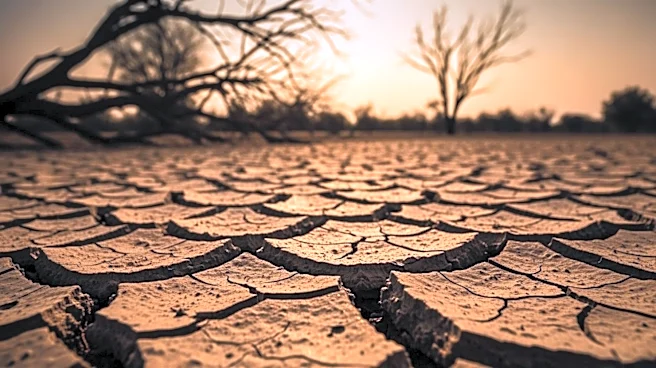
The ongoing wildfires in Georgia highlight the increasing vulnerability of the region to such natural disasters, exacerbated by factors like extreme drought, gusty winds, and climate change. The destruction of over 120 homes underscores the immediate threat to human life and property, while also straining local emergency services and resources. The fires' impact extends beyond the immediate area, affecting air quality and public health in surrounding regions. This situation also raises concerns about the preparedness and resilience of communities in the face of escalating climate-related events. The economic implications are significant, with potential losses in property, infrastructure, and the costs associated with firefighting efforts. The situation calls for urgent attention to climate adaptation and mitigation strategies to prevent future occurrences.
What's Next?
As the fires continue to burn, the immediate focus is on containment and protecting lives and property. Firefighters are working tirelessly to control the blazes, but the forecasted strong winds could complicate these efforts. Residents in affected areas are advised to stay informed and be prepared to evacuate if necessary. In the longer term, there may be increased calls for policy changes and investments in fire prevention and climate resilience measures. The state and local governments might also review and enhance their emergency response strategies to better handle such crises in the future.