






What's Happening?
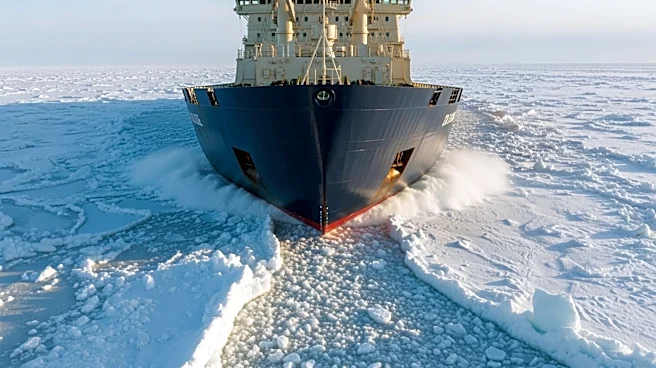
The U.S. Coast Guard has concluded its domestic icebreaking operations in the Eastern United States and Great Lakes waterways following a severe winter season. The operations, which included Operation Taconite, were essential in maintaining navigable
waterways for commercial shipping. Vice Admiral Nate Moore highlighted the importance of the Coast Guard's icebreaker fleet in supporting commerce and mitigating ice impacts on navigation and infrastructure. The operations involved over 6,940 hours of icebreaking, assisting 981 vessels and ensuring the delivery of essential goods such as fuel and iron ore.
Why It's Important?
The conclusion of the icebreaking operations underscores the critical role of the Coast Guard in maintaining economic stability and energy security during harsh winter conditions. By keeping waterways open, the Coast Guard supports the continuous flow of essential goods, which is vital for industries reliant on maritime shipping. The operations also highlight the need for a modern and robust icebreaker fleet to address future challenges posed by severe weather conditions, ensuring strategic mobility and economic prosperity.
What's Next?
As temperatures rise, the Coast Guard will continue to monitor waterways for any remaining ice hazards. The successful completion of the icebreaking season may prompt discussions on enhancing the icebreaker fleet to better prepare for future severe winters. Stakeholders, including government agencies and maritime industries, may advocate for increased investment in icebreaking capabilities to ensure resilience against climate variability and support national security objectives.