








What's Happening?
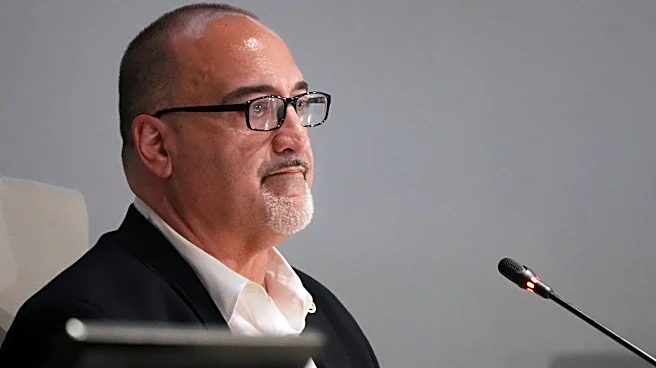
Mayor Antonia Moran, an 83-year-old Democrat, has resigned from her position at a recent town council meeting in Mansfield. Her decision stems from an unwillingness to undertake the search for a new town manager, following the controversial resignation
of the previous manager. Moran, who has served as mayor since 2019 and as a council member since 2009, expressed that the last ten months had been unstable, making it clear she no longer wished to manage the difficult decisions and challenges associated with the mayoral role. She tearfully thanked the town's residents and staff, wishing them well. Moran had initially not planned to run for her last term but changed her mind due to feeling healthy; however, the prospect of finding a new town manager ultimately outweighed her desire to continue serving on the council. Other council members, including Democrat Carlita Cotton, expressed understanding and sadness regarding her departure.
Why It's Important?
Mayor Moran's resignation marks a significant leadership change for the town of Mansfield, potentially leading to a period of transition and uncertainty in local governance. The departure of an experienced mayor, especially one citing the difficulty of managing administrative challenges, highlights the increasing pressures faced by local government officials. The need to search for a new town manager, a critical administrative role, can disrupt ongoing projects and policy initiatives, affecting the continuity of public services and local development. This event underscores the importance of stable leadership in municipal government and the challenges of attracting and retaining qualified individuals for key administrative positions. The impact could be felt in various sectors, from local economic development to community services, as the town council navigates this leadership void and seeks to establish new administrative direction.
What's Next?
Following Mayor Moran's resignation, the Mansfield town council will need to initiate the process of selecting a new mayor and, more immediately, address the search for a new town manager. This process will likely involve internal discussions within the council, potential public announcements for candidates, and a thorough vetting process. The interim period may see increased responsibilities for other council members or an acting mayor until a permanent replacement is found. The council's ability to efficiently fill these critical roles will be crucial for maintaining stability and addressing the town's ongoing needs. The community will likely watch closely to see how the council manages this transition and what direction the new leadership will take regarding local policies and administrative priorities. Moran has expressed confidence in the current town council to take on her role.
Beyond the Headlines
Mayor Moran's tearful resignation, driven by the burden of administrative tasks rather than policy disagreements, sheds light on the often-unseen emotional and personal toll of public service, particularly at the local level. It highlights the increasing complexity and demands placed on municipal leaders, who are often responsible for a wide array of issues with limited resources. This situation could prompt broader discussions about the support systems available for local government officials and the sustainability of long-term public service careers. It also subtly points to the challenges of succession planning in local politics and the need for robust administrative structures that can withstand leadership changes. The incident serves as a reminder that effective governance relies not only on policy decisions but also on the personal capacity and willingness of individuals to navigate demanding administrative responsibilities.