





What's Happening?
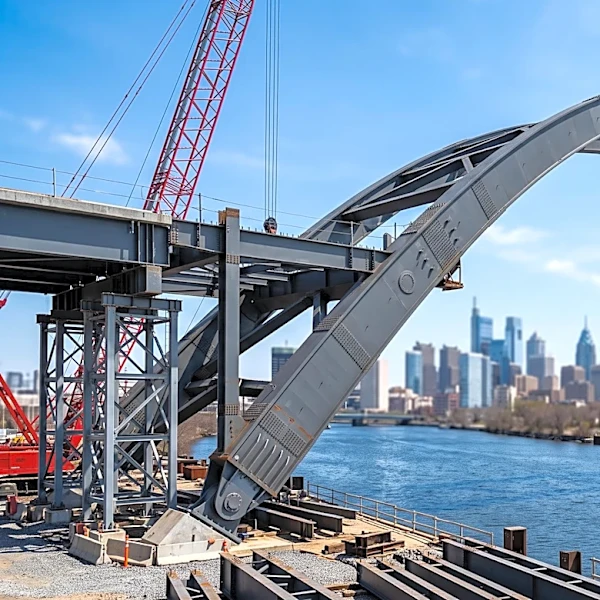
South Dakota has commenced work on the most expensive bridge project in its history, a $290 million undertaking to replace the State Highway 44 Platte-Winner Bridge. Governor Larry Rhoden attended the groundbreaking ceremony alongside U.S. Representative
Dusty Johnson and Senators John Thune and Mike Rounds. The existing bridge, opened in 1966, is over a mile long and spans the Missouri River. The new bridge will be 115 feet longer and constructed just north of the current structure, which will remain operational until the new bridge's anticipated completion in June 2030. The removal of the old bridge is scheduled to conclude by November 2031. Secretary Joel Jundt of the South Dakota Department of Transportation previously stated that this project is the most costly in the department's history.
Why It's Important?
This monumental infrastructure project is crucial for South Dakota's transportation network, as the Platte-Winner Bridge is described as a 'vital lifeline' for rural communities. Its replacement will ensure continued connectivity, facilitate supply chain movements, link local producers to markets, and provide safe access to recreational areas for the next century. The significant federal funding, including $65 million from the Federal Highway Administration Competitive Highway Bridge Program grant and an additional $25 million secured by the state's congressional delegation, highlights the federal government's investment in state infrastructure. This project is expected to create numerous jobs and stimulate economic activity in the region during its construction phase, benefiting local businesses and residents. The long-term impact will be improved safety and efficiency for commuters and commercial traffic.
What's Next?
Construction on the new Platte-Winner Bridge will continue over the next several years, with an anticipated completion date in June 2030. The existing bridge will remain open to traffic throughout this period to minimize disruption. Following the new bridge's opening, the old structure will be systematically removed, a process expected to last until November 2031. The South Dakota Department of Transportation will oversee the project, managing the complexities of building in deep water and addressing logistical challenges in the remote location. Further federal grant applications for the project are still pending, which could provide additional funding. Regular updates on construction progress and traffic impacts will likely be provided to the public.
Beyond the Headlines
The scale and cost of this bridge project underscore the critical need for ongoing investment in aging infrastructure across the United States. It exemplifies how federal and state partnerships are essential for funding large-scale public works that are beyond the financial capacity of states alone. The project's emphasis on a 100-year service life reflects a long-term vision for infrastructure planning, aiming for sustainability and resilience. The challenges faced, such as higher-than-estimated bids due to complex construction conditions, highlight the broader issues of rising construction costs and the specialized expertise required for such endeavors. This investment also symbolizes a commitment to rural development, ensuring that essential services and economic opportunities remain accessible to communities outside major urban centers.