





What's Happening?
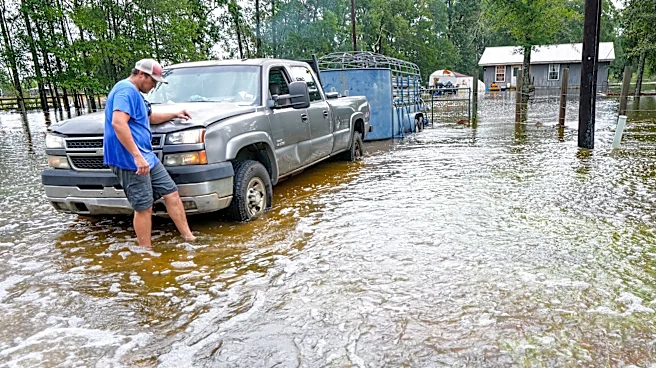
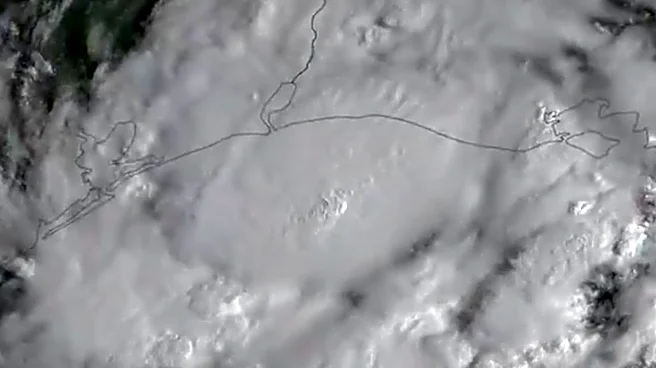
Dozens of animals were rescued from a small shelter in Livingston, East Texas, after it was severely damaged by flooding from Tropical Storm Edouard. Austin Pets Alive! disaster coordinator Lindsay O'Gan reported that the Livingston shelter lost power,
was inundated with floodwater, and hit by falling trees, with some kennels physically damaged and a dog bitten by a venomous snake. Approximately 20 cats and 20 dogs were inside as water levels rose. Friends of the rescue transported the animals to Austin Pets Alive!, which took in about 15 dogs and all 20 cats. Upon arrival in Austin, the animals received medical care, but many, including several kittens, mothers with babies, and small- to medium-sized dogs, are still in urgent need of foster homes. The Livingston shelter requires major repairs before it can house animals again.
Why It's Important?
This event highlights the critical role of animal rescue organizations and the broader community in disaster response, particularly when local infrastructure is overwhelmed. The immediate need for foster homes in Austin underscores the strain placed on animal welfare systems during natural disasters and the importance of community support. The incident also brings attention to the vulnerability of animal shelters in flood-prone areas and the necessity for robust disaster preparedness plans. The trauma experienced by both the animals and the human rescuers, who were also dealing with personal losses, emphasizes the far-reaching impact of such events. The ongoing need for fosters demonstrates how individual actions can directly contribute to the recovery and well-being of displaced animals.
What's Next?
Austin Pets Alive! will continue its efforts to find foster homes for the rescued cats and dogs. The organization is appealing to the public for assistance, noting that even individuals with limited space or other pets can help, as they work to match animals with suitable homes. The Livingston shelter faces a long road to recovery, requiring significant repairs before it can resume operations. This situation may prompt discussions within animal welfare communities about improving disaster resilience for shelters in vulnerable regions. Additionally, ongoing support for Austin Pets Alive! through donations, volunteering, or fostering will be crucial for the continued care of these displaced animals.
Beyond the Headlines
The rescue operation from the flooded East Texas shelter reveals a systemic gap in disaster response: the lack of dedicated governmental pet first responders. As highlighted by Lindsay O'Gan, there is no official branch of government specifically tasked with rescuing animals during emergencies, leaving this critical role largely to non-profit organizations and volunteers. This incident could spark broader conversations about integrating animal welfare into official disaster preparedness and response frameworks at local, state, and national levels. It also underscores the deep human-animal bond, as individuals risked their own safety and dealt with personal losses to ensure the animals' survival. The long-term psychological impact on these rescued animals, many of whom experienced significant trauma, also presents a challenge for their eventual rehabilitation and adoption.