

What's Happening?
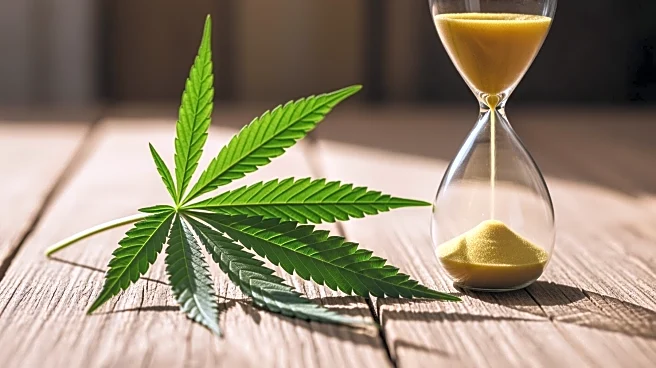
A new federal bill introduced by Republican Representative James Baird from Indiana aims to delay the impending ban on hemp-THC products until 2028. This legislative proposal seeks to amend the federal spending bill signed last year, which currently mandates
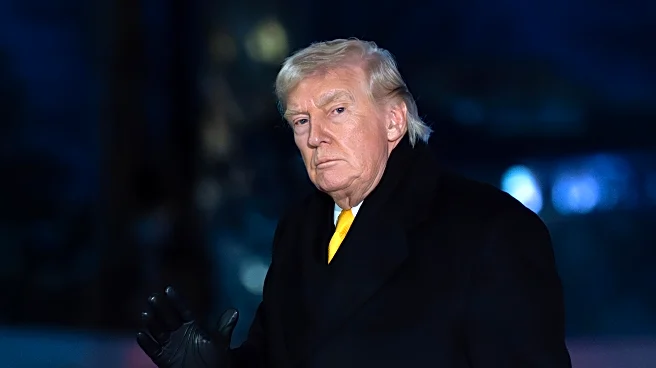
the ban to take effect in November. The bill is co-sponsored by Representatives James Comer and Gabe Evans from Kentucky, Tim Moore from North Carolina, and Angie Craig from Minnesota. The proposed delay is intended to provide more time for legislators to draft comprehensive regulations for hemp-THC products, supporting the interests of U.S. hemp farmers. The current legislation, part of the appropriations bill signed by President Trump, prohibits the sale of hemp products containing more than 0.4 milligrams of THC per container. This move has been criticized for disrupting the planning and investment decisions of farmers who were operating under the regulatory framework established by the 2018 Farm Bill.
Why It's Important?
The proposed delay in the hemp-THC ban is significant for the U.S. hemp industry, which has grown into a multibillion-dollar sector. The extension would allow Congress to engage with various stakeholders, including farmers, state regulators, and public health experts, to address market concerns more thoughtfully. The current ban threatens to close a loophole that has allowed the sale of hemp-THC products, which are now widely available in major retail outlets. By delaying the ban, the bill aims to provide stability and predictability for hemp farmers, allowing them to adjust their planting and investment strategies without the immediate threat of regulatory upheaval. This could help sustain the industry's growth and ensure that existing state regulatory frameworks continue to function effectively.
What's Next?
If the bill passes, it will extend the deadline for the hemp-THC ban to 2028, giving Congress additional time to develop a more comprehensive regulatory approach. This period could see increased collaboration between federal and state governments to harmonize regulations and address public health concerns. The hemp industry and its stakeholders are likely to continue lobbying for favorable regulations that support the sector's growth. Retailers and consumers may also play a role in shaping the discourse around hemp-THC products, influencing future legislative decisions.