



What's Happening?
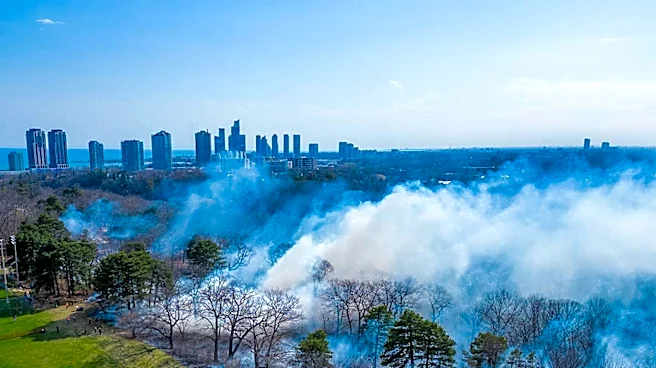
A massive warehouse fire at the Lineage cold-storage facility in Boyle Heights in June 2026 resulted in millions of gallons of water being used to extinguish the blaze. This water, contaminated with toxic metals, chemicals, and tainted food from the facility,
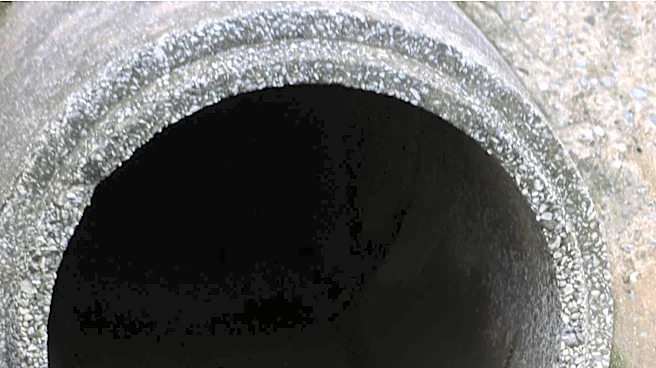
flowed into nearby storm drains and subsequently into the Los Angeles River. Long Beach did not receive an official warning about the hazardous runoff until eight days after the fire began, when a county public works employee sent an email noting fish deaths in nearby wetlands. Despite routine testing on June 23 revealing high bacteria levels in the ocean, leading to health advisories on five segments of Long Beach, the city's notices did not link the contamination to the fire. Health department spokespersons stated that beach closures are typically reserved for known sewage or chemical discharges, and there are no mandated protocols for warning downstream communities about firefighting runoff. Researchers from UCLA, Columbia University, and the city of LA’s Bureau of Sanitation are still testing to determine the full extent of hazardous chemicals in the water.
Why It's Important?
This incident highlights a significant regulatory gap in environmental protection and public health notification systems in the U.S. The absence of a standardized protocol for communicating the risks associated with firefighting runoff means that downstream communities, like Long Beach, can be exposed to hazardous materials without timely warning. This lack of information can prevent public health officials from making informed decisions about resident safety and recreational water use, potentially leading to health risks for those engaging in fishing, boating, or swimming. Economically, perceived risks to water quality can deter visitors and negatively impact local businesses reliant on coastal tourism. The situation also underscores a broader issue of environmental justice, as downstream pollution disproportionately threatens access to coastal resources for Southeast Los Angeles communities. The incident reveals that current infrastructure and drainage systems often fail to consider the LA River as an ecological component, lacking filtration or containment efforts for pollutants.
What's Next?
The Long Beach City Council is actively demanding that regional, state, and county agencies re-evaluate and update their warning protocols for hazardous runoff events. Councilmember Kristina Duggan, alongside Tunua Thrash-Ntuk and Cindy Allen, is championing this initiative, arguing for systemic change rather than attributing blame to individuals. The LA Regional Water Quality Control Board is scheduled to address this topic in an upcoming meeting, which will include a review of water samples taken along the river and an update on the facility cleanup. Long Beach is also engaging in discussions with Orange County and Los Angeles County to establish updated notification procedures. Environmental groups, such as East Yard Communities for Environmental Justice, are conducting their own water testing, with preliminary results indicating heavy spikes in metal presence along the river. These findings are expected to be presented to the public soon, further pressuring authorities to implement more robust and transparent warning systems.
Beyond the Headlines
The Lineage fire incident exposes a critical flaw in environmental regulations, specifically the conditional exemption of firefighting runoff from federal and state storm sewer rules. This regulatory blind spot creates a reliance on informal inter-agency courtesy calls rather than a standardized, mandatory alert system, which has led to past environmental consequences, such as the 2021 Carson warehouse fire that killed marine life and the 2025 Palisades fires that sent toxic ash into local waters. The deeper implication is a systemic failure to integrate ecological considerations into urban infrastructure and emergency response planning, particularly concerning the Los Angeles River. The ongoing efforts by community scientists to self-test water quality reflect a growing public skepticism towards official oversight and highlight the need for greater transparency and accountability from governmental agencies. Addressing this issue requires not only fixing the warning system but also a fundamental re-evaluation of how water management and environmental protection are approached in the greater Los Angeles area, considering long-term ecological health and public safety.