





What's Happening?
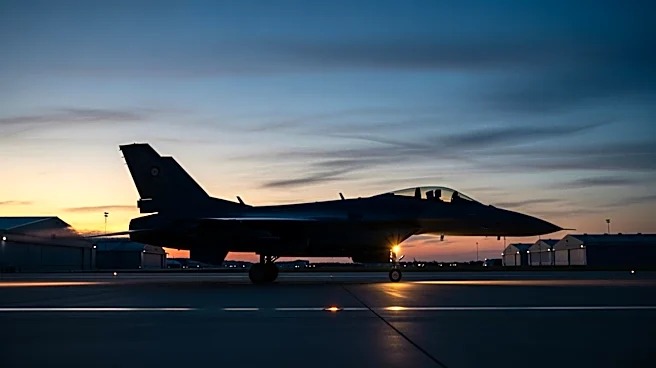
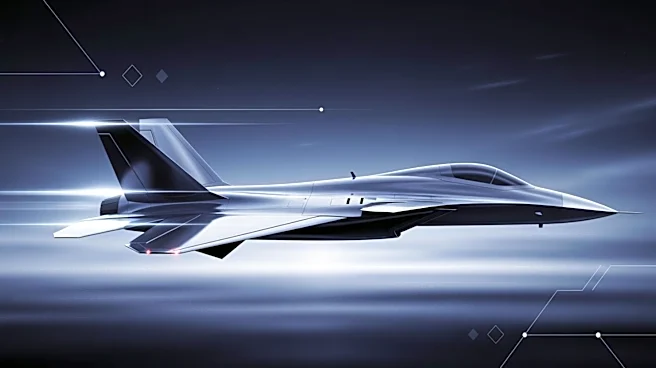
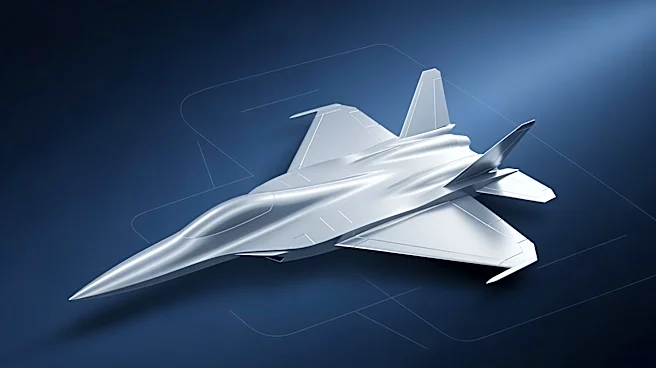
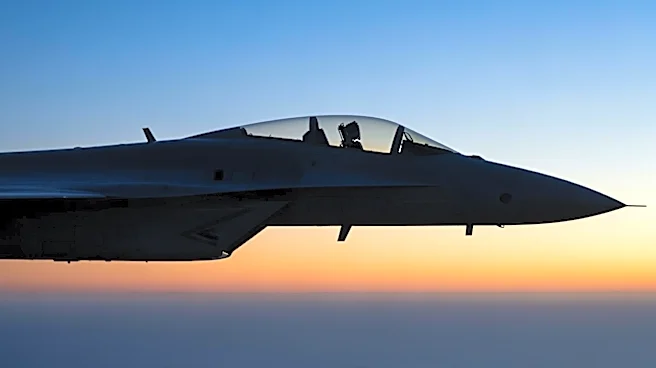
The U.S. Air Force has greenlit the production of the T-7A Red Hawk following the achievement of Milestone C. This decision allows for a $219 million contract with Boeing for the initial production of 14 advanced trainer aircraft, along with spares, support
equipment, and training. The T-7A Red Hawk is the first Air Force aircraft to be designed and built using all-digital methods, aimed at streamlining development and production. The aircraft is set to replace the aging T-38 Talon, providing a more advanced training platform for future combat aviators. The program is part of a broader effort to modernize Air Education and Training Command's capabilities.
Why It's Important?
The T-7A Red Hawk's production approval is a significant milestone for the Air Force's pilot training program, addressing the urgent need to replace the outdated T-38 Talon. The new trainer aircraft will equip student pilots with the skills necessary to transition to modern combat aircraft, enhancing the readiness of the U.S. Air Force. The use of digital design and production methods represents a shift towards more efficient and cost-effective aircraft development. This decision also highlights the Air Force's commitment to innovation and modernization, ensuring that its training capabilities keep pace with advancements in military aviation technology.
What's Next?
The Air Force will continue to manage the T-7A Red Hawk program through a phased approach, seeking approval for each low-rate initial production lot individually. This strategy allows for the incorporation of insights from ongoing testing and program progress before committing to subsequent production lots. The broader program includes the delivery of 351 aircraft and 46 ground-based training simulators over the next decade. The focus will remain on completing the Engineering and Manufacturing Development phase and supporting the initial cadre of instructors and maintainers. The program aims to achieve initial operational capability by 2027, with the T-7A Red Hawk playing a crucial role in training the next generation of combat aviators.