







What's Happening?
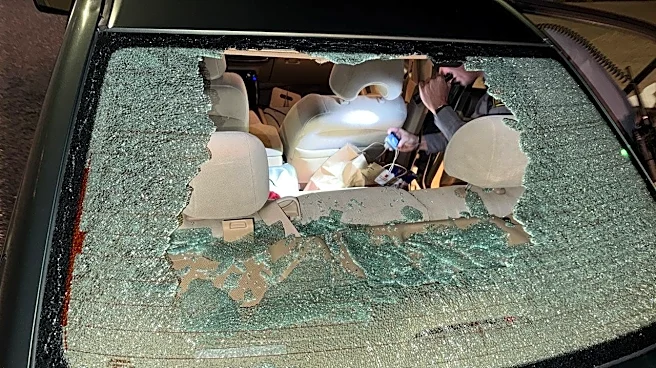
A Jonesboro man, Eayn Obryan Wright, 21, was arrested after an argument over baby wipes escalated into a rollover car crash on September 13. According to Brookland police, Wright allegedly grabbed the steering wheel of a moving vehicle, causing it to crash into a ditch
and overturn. His girlfriend and baby were also in the car at the time. Officer Eric Stephens responded to the scene at East School Street and Missouri Street, finding the vehicle upside down and the woman outside. She informed the officer that Wright and the baby were still inside. No one was injured in the crash, and all parties refused medical treatment. Wright initially claimed the steering locked, but his girlfriend later told police they were arguing about baby wipes, and he grabbed the wheel when she ignored his demands to stop the car. Wright subsequently admitted to grabbing the wheel. He faces two counts of aggravated assault on a family or household member and one count of first-degree endangering the welfare of a minor. District Judge Tommy Fowler found probable cause for these charges on September 14. Wright was booked into the Craighead County Detention Center on a $15,000 commercial bond and released the following day. He has been ordered to have no contact with the victims, and his next court appearance is scheduled for October 26.
Why It's Important?
This incident highlights the severe consequences that domestic disputes can have, not only on the individuals involved but also on public safety. The charges of aggravated assault and endangering the welfare of a minor underscore the seriousness with which the legal system views actions that put family members, especially children, at risk. The event also draws attention to the potential for seemingly minor disagreements to escalate into dangerous situations, leading to criminal charges and significant legal repercussions. For the community, such incidents can raise concerns about domestic violence and the safety of children within households. The legal process, including the no-contact order and upcoming court appearance, demonstrates the mechanisms in place to address such behavior and protect potential victims. The quick response by law enforcement and the subsequent legal actions are crucial in maintaining public order and addressing acts of violence within families.
What's Next?
Eayn Obryan Wright is scheduled for his next court appearance on October 26. During this time, further legal proceedings will take place, which may include a plea, setting a trial date, or other judicial actions related to the charges of aggravated assault on a family or household member and first-degree endangering the welfare of a minor. The no-contact order with the victims remains in effect, aiming to ensure their safety and prevent further incidents. The outcome of the case will depend on the evidence presented, legal arguments, and the court's decisions. This incident may also prompt discussions within the community or among local authorities regarding resources for domestic dispute resolution and support for families experiencing conflict. The legal process will determine the appropriate consequences for Wright's actions and provide a resolution for the victims involved.
Beyond the Headlines
This event, while seemingly isolated, touches upon deeper societal issues related to anger management, domestic conflict resolution, and the safety of vulnerable individuals within family units. The fact that a dispute over something as mundane as baby wipes could lead to such a dangerous outcome underscores the importance of effective communication and conflict de-escalation strategies. It also highlights the often-hidden complexities of domestic relationships, where underlying tensions can manifest in unexpected and harmful ways. The involvement of a child in the incident further amplifies the ethical and social responsibility to protect minors from exposure to violence and ensure their well-being. This case could serve as a stark reminder for individuals and communities about the need for accessible support systems, such as counseling or mediation services, to address domestic issues before they escalate into criminal acts and endanger lives.