


What's Happening?
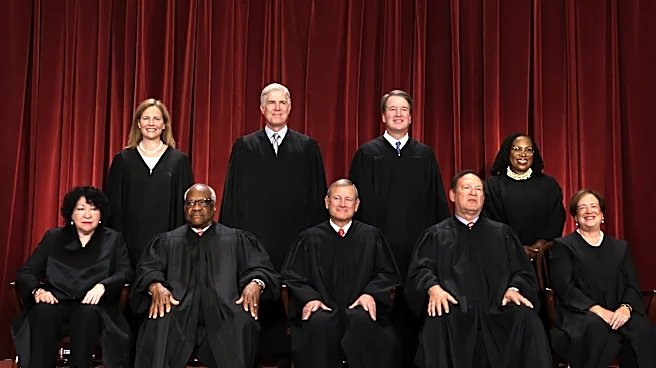
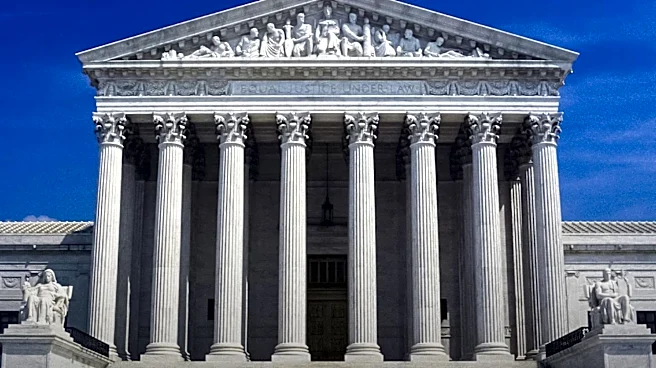
Supreme Court Justice Neil Gorsuch, alongside Justices Brett Kavanaugh and Amy Coney Barrett, recently discussed America's persistence and future as the nation approaches its 250th anniversary. Justice Gorsuch highlighted the unique and radical ideological
shift represented by the American system compared to 18th-century European monarchies. He stressed that the nation's survival is due to each generation's renewed commitment to American values. According to The Patriot Post, Gorsuch stated, “The reason why our Constitution and Declaration have survived is that people choose it anew in every generation. You need to know its history. You need to know what you’re preserving.” Justice Kavanaugh focused on the importance of civics education, while Justice Barrett encouraged civic participation, referencing the Declaration of Independence's mutual pledge. Additionally, Justice Gorsuch participated in a global judicial dialogue, discussing judicial leadership and the role of courts, as reported by The Presidential Precinct.
Why It's Important?
The remarks by these Supreme Court Justices underscore a critical national conversation about the foundational principles of the United States. Justice Gorsuch's emphasis on understanding constitutional history highlights the ongoing relevance of historical context in contemporary legal and political discourse. This perspective is particularly important for maintaining the stability and continuity of American governance. The call for robust civics education by Justice Kavanaugh and active civic participation by Justice Barrett suggests a concern for an informed and engaged citizenry, which is vital for a functioning democracy. These discussions can influence public perception of the judiciary's role in upholding constitutional values and may encourage greater engagement with American history and civic duties among the populace. The global judicial dialogue involving Justice Gorsuch also positions the U.S. judiciary within an international context, fostering shared understanding of legal challenges and judicial responsibilities across borders.
What's Next?
The ongoing emphasis by Supreme Court Justices on constitutional history and civic engagement suggests a continued focus on these themes within legal and educational spheres. It is likely that calls for enhanced civics education will gain traction, potentially leading to new initiatives or reforms in school curricula nationwide. Discussions about the interpretation and preservation of the Constitution will remain central to legal scholarship and public debate, especially as the nation approaches its 250th anniversary. Furthermore, the Supreme Court's engagement in international judicial dialogues, as exemplified by Justice Gorsuch's participation, indicates a trend towards greater collaboration and exchange of ideas among global legal systems. This could lead to increased understanding of diverse legal practices and shared challenges in the administration of justice, influencing future judicial approaches and international legal cooperation.
Beyond the Headlines
The Justices' reflections delve into the deeper philosophical underpinnings of American identity and governance. Justice Gorsuch's point about the 'abnormal' nature of the American system and its radical ideological shift from monarchies speaks to the enduring revolutionary spirit embedded in the nation's founding. This perspective challenges a complacent view of democracy, reminding citizens that its preservation requires active, generational commitment. The emphasis on knowing history and what is being preserved touches upon the concept of 'constitutional patriotism,' where allegiance is tied to shared values and principles rather than solely to national identity. This can foster a more resilient and adaptable society capable of navigating future challenges by drawing upon its foundational strengths. The broader implication is a reinforcement of the idea that the American experiment is not a static achievement but a dynamic process requiring continuous engagement and understanding from its citizens.