




What's Happening?
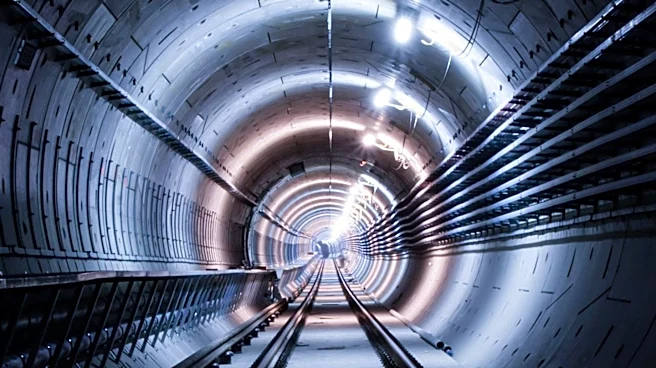
Amtrak has successfully completed the first major phase of the East River Tunnel (ERT) Rehabilitation Project, officially reopening Line 2 of the tunnel. This milestone marks the restoration of a vital transportation link for hundreds of thousands of daily
Amtrak, Long Island Rail Road (LIRR), and NJ TRANSIT passengers. Over the past year, crews undertook extensive modernization work, completely reconstructing the 116-year-old tunnel's interior systems, including track, power, communications, drainage, and structural elements. This involved the demolition, removal, and replacement of significantly deteriorated infrastructure, such as 24,000 feet of rail, 8,000 tons of ballast, 8,000 wooden rail ties, and 20,000 cubic yards of bench wall concrete. The project also incorporated the construction of new bench walls designed to improve safety, maintenance access, and operational performance. The $1.6 billion project remains within budget and is on track for completion by the end of 2027.
Why It's Important?
The completion of the first phase of the East River Tunnel rehabilitation is critically important for the Northeast Corridor, one of the busiest passenger rail lines in the Western Hemisphere. The tunnel, which opened in 1910, serves approximately 450 daily trains and is a lifeline for commuters and the regional economy. The extensive repairs were necessitated by severe damage from Superstorm Sandy, which flooded the tunnel with 14 million gallons of corrosive saltwater. Restoring Line 2 significantly enhances the safety and reliability of rail service, reducing the risk of infrastructure failures and improving the daily commute for millions. This project demonstrates the impact of federal investment and inter-agency collaboration (Amtrak, MTA, NJ TRANSIT) in rebuilding and modernizing critical infrastructure, ensuring the long-term viability of essential transportation networks and supporting economic activity in the region.
What's Next?
Following the successful reopening of Line 2, Amtrak is preparing to begin the second and final phase of the project this fall, which will involve the rehabilitation of the Line 1 tunnel. This next phase will feature the same scope of work as Line 2. Before commencing work on Line 1, Amtrak plans to conduct additional hardening activities to further reduce the risk of infrastructure failures, mirroring the proactive measures taken for Line 2. The overall project is expected to be completed by the end of 2027. Throughout the remaining construction, three of the four East River Tunnels will remain available to minimize disruptions to Amtrak, LIRR, and NJ TRANSIT services, with continued efforts to mitigate passenger impacts through around-the-clock engineering coverage and frequent inspections.
Beyond the Headlines
The East River Tunnel rehabilitation project underscores the broader challenge and necessity of maintaining and upgrading aging infrastructure across the United States. Many critical transportation assets, like this 116-year-old tunnel, are operating beyond their intended lifespans and are increasingly vulnerable to extreme weather events exacerbated by climate change. This project serves as a model for how significant federal funding, combined with coordinated efforts among various transportation agencies and skilled labor, can address these complex challenges. Beyond the immediate benefits of improved reliability and safety, such investments are crucial for economic resilience, environmental sustainability by promoting rail travel, and ensuring the continued functionality of urban centers. The lessons learned from this extensive rehabilitation could inform future infrastructure projects nationwide, emphasizing the importance of proactive maintenance and climate resilience in long-term planning.