






What's Happening?
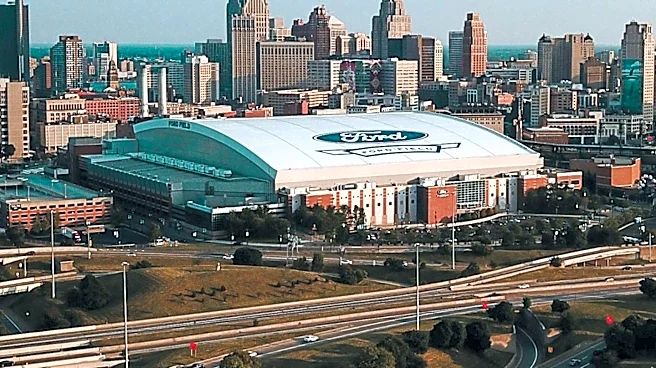
The Joe Louis Greenway, a $300 million development project in Detroit, aims to enhance mobility and connectivity across the city while promoting economic vitality. The greenway is expected to increase property values and attract new businesses, but there
are concerns about potential displacement of long-term residents. The project has already led to rising home prices in areas like Russell Woods, where some residents fear being priced out. While the greenway promises to showcase Detroit's cultural heritage and create new opportunities, it also raises questions about the impact on existing communities and the risk of gentrification.
Why It's Important?
The Joe Louis Greenway represents a significant investment in Detroit's infrastructure and urban development, with the potential to transform neighborhoods and boost the local economy. However, the project also highlights the challenges of balancing development with community preservation. As property values rise, there is a risk that long-term residents, particularly those with lower incomes, may be displaced. This underscores the need for policies that protect affordable housing and ensure that development benefits all residents. The greenway's impact on Detroit's cultural and historical identity also raises important questions about the role of urban planning in preserving community heritage.
What's Next?
As the Joe Louis Greenway progresses, stakeholders will need to address concerns about displacement and ensure that the project benefits all residents. This may involve implementing measures to protect affordable housing and support local businesses. Community engagement will be crucial in shaping the development to reflect the needs and aspirations of existing residents. The project's success will depend on its ability to balance economic growth with social equity, providing a model for other cities facing similar challenges.
Beyond the Headlines
The greenway's development highlights broader issues of urban justice and the ethical implications of gentrification. The project raises questions about who benefits from urban development and the responsibilities of city planners to protect vulnerable communities. By prioritizing community engagement and cultural preservation, the Joe Louis Greenway could serve as a model for inclusive urban development that values diversity and resilience. The project's long-term impact will depend on its ability to foster a sense of belonging and empowerment among residents.