



What's Happening?
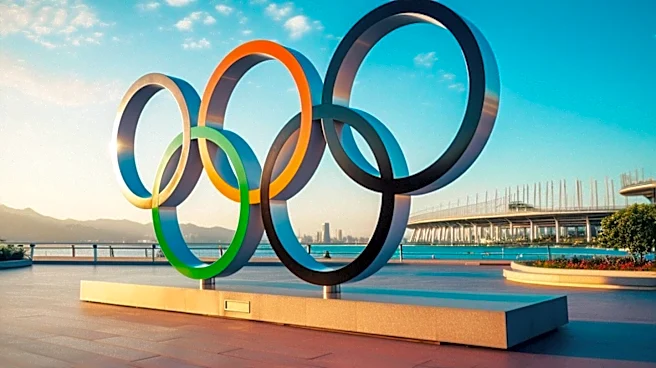
With less than two years remaining until the 2028 Olympic and Paralympic Games in Los Angeles, organizers of LA28 are facing significant criticism regarding the funding and coordination of the Cultural Olympiad. This arts and culture program, designed
to accompany the Games, is a crucial component for host cities to demonstrate their commitment to creative arts and to leave a lasting artistic legacy. At a legislative hearing, lawmakers and arts advocates pressed LA28 officials for details on the budget and timeline for distributing funds to artists and communities. Former Los Angeles County Supervisor Zev Yaroslavsky highlighted the delay in cultural planning, noting that Los Angeles was awarded the Games in 2017, providing nearly 11 years for preparation. This delay has led to concerns that major artists, who book engagements years in advance, may be unavailable. Despite these criticisms, LA28's senior vice president for the Cultural Olympiad, Dwayne Jones, stated that fundraising efforts are underway, aiming for tens of millions of dollars from philanthropic donors and partners. City and county cultural affairs officials, including Los Angeles' Department of Cultural Affairs general manager Daniel Tarica, have committed existing budget funds, with Tarica allocating $15 million to its core program.
Why It's Important?
The lack of a clear and coordinated plan for the Cultural Olympiad could significantly impact Los Angeles's ability to leverage the 2028 Games for long-term cultural growth and community engagement. A well-executed Cultural Olympiad can serve as a catalyst for artistic development and provide substantial economic benefits to local artists and cultural organizations. The 1984 Olympic Arts Festival, for instance, was credited with fostering Los Angeles's cultural expansion. Without adequate funding and a defined strategy, the opportunity to showcase local talent, attract international artists, and engage diverse communities through arts and culture may be diminished. This situation also raises questions about the broader organizational capacity of LA28 to manage complex, multi-faceted aspects of the Olympic Games beyond the athletic competitions. The involvement of various city and county departments, each with their own initiatives, underscores the need for a unified approach to maximize the cultural and economic impact for the region. The potential for missed opportunities for artists and cultural institutions to participate and benefit from the global spotlight of the Olympics is a significant concern.
What's Next?
LA28 Cultural Olympiad Executive Director Nora Halpern and Dwayne Jones have indicated that further announcements regarding programming, which will span fashion, film, food, music, performing, and visual art, are expected in 2027. Applications for an official Cultural Olympiad mark, recognizing participating programs, are anticipated to open in early 2027, with a digital calendar and mapping platform scheduled for launch in January 2028. Additionally, artists have been selected to create 16 official posters—eight Olympic and eight Paralympic—which will be unveiled in July 2027. Local initiatives are moving forward, with Santa Monica outlining its cultural framework, 'Land and Water Here and Now,' and Long Beach investing in pilot cultural projects. However, the financing for broader community-led initiatives like Mosaic LA remains unresolved. Lawmakers, such as Sen. Lola Smallwood-Cuevas, are calling for a more concise, coordinated, and fact-based request for additional state support. The federal government has appropriated funds for security and transportation, but cultural funding relies on separate fundraising efforts.
Beyond the Headlines
The challenges faced by LA28 in organizing the Cultural Olympiad highlight a recurring tension in major international events: balancing the spectacle of sports with the enduring value of cultural legacy. The delay in cultural planning suggests a potential underestimation of the time and resources required to engage the arts community effectively. This situation could lead to a fragmented cultural program, where individual efforts by municipalities and organizations proceed without a cohesive vision or sufficient financial backing. The ethical implication is whether the host city truly prioritizes cultural enrichment or views it as a secondary component to the athletic events. Furthermore, the discussion around federal financial support and political rhetoric, as noted by Assemblymember Christopher M. Ward, underscores how broader political climates can influence the success and perception of such international events. The long-term shift could be a re-evaluation of how host cities plan and fund cultural components of the Olympics, emphasizing earlier integration and dedicated resources to ensure a meaningful and lasting impact beyond the Games themselves.