
What's Happening?
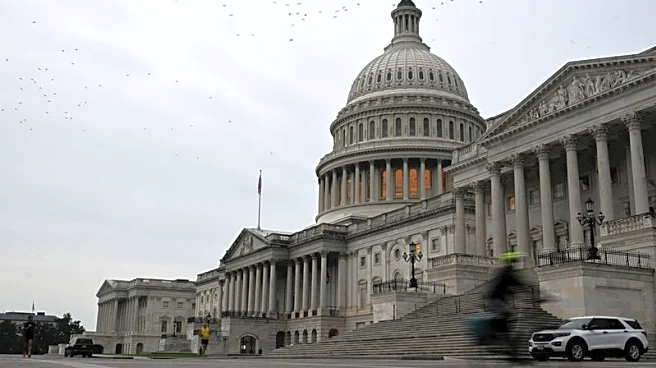
The US Senate has unanimously passed the Holocaust Expropriated Art Recovery (Hear) Act of 2025, which aims to facilitate the restitution of art looted during the Nazi era. The bill extends and expands
the original Hear Act of 2016, which was set to expire at the end of 2026. It now moves to the House of Representatives for consideration. The legislation is designed to assist Holocaust survivors and their families in reclaiming artwork held in museums and collections across the United States. It clarifies and strengthens the legal framework for such claims, ensuring they can be evaluated on their merits. The bill also denies certain legal defenses that have previously hindered restitution efforts, such as prolonged possession and international comity.
Why It's Important?
The passage of the Hear Act of 2025 is a significant step in addressing historical injustices related to Nazi-looted art. By removing legal obstacles and extending the timeframe for claims, the bill enhances the ability of Holocaust survivors and their descendants to seek restitution. This legislative effort underscores the U.S. commitment to justice and accountability in addressing the legacy of the Holocaust. It also reflects a broader international movement towards the restitution of cultural property and the recognition of historical wrongs. The bill's passage is likely to be welcomed by Jewish organizations and advocates for Holocaust survivors, who have long campaigned for the return of stolen art.
What's Next?
If the House of Representatives passes the bill, it will be sent to President Trump for signing into law. The implementation of the Hear Act of 2025 will require coordination between legal authorities, museums, and claimants to ensure that restitution claims are processed efficiently and fairly. The bill may also prompt other countries to reevaluate their own policies on Nazi-looted art, potentially leading to increased international cooperation on restitution efforts. Additionally, museums and private collectors may need to review their collections to identify and address any potential claims under the new legislation.