






What's Happening?
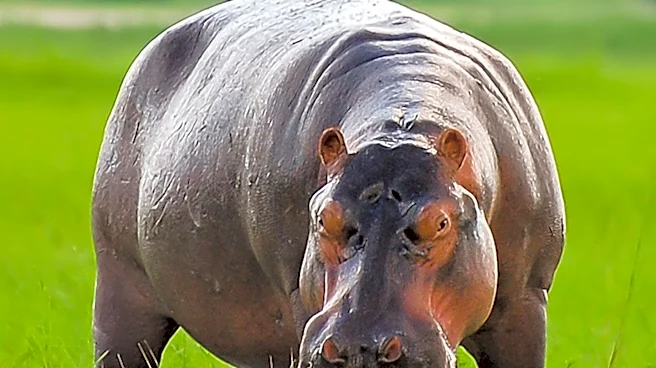
In Colombia, the hippos originally imported by drug trafficker Pablo Escobar have become an ecological challenge. Initially brought to his private zoo, their population has grown significantly, now numbering over eighty. These hippos have spread beyond
Escobar's former estate, establishing themselves in local rivers and wetlands. Their presence disrupts the ecosystem, as their excrement affects water quality and vegetation. The hippos' size and strength make them difficult and costly to manage, posing a significant environmental challenge for Colombia.
Why It's Important?
The growing hippo population in Colombia highlights the broader issue of invasive species and their impact on local ecosystems. These hippos consume large amounts of vegetation and alter riverbanks, affecting both land and water environments. The situation underscores the challenges of managing invasive species, which can have long-term ecological and economic consequences. For Colombia, addressing this issue is crucial to preserving its natural habitats and biodiversity. The hippos' presence also serves as a reminder of the lasting impact of human actions on the environment.
What's Next?
Efforts to manage the hippo population in Colombia will likely involve a combination of strategies, including relocation, sterilization, and public awareness campaigns. The Colombian government and environmental organizations may need to collaborate to develop effective solutions that balance ecological preservation with practical management. International support and expertise could also play a role in addressing this unique environmental challenge. The situation may prompt broader discussions on invasive species management and the responsibilities of countries to prevent and mitigate such issues.