




What's Happening?
The distinction between weather watches and warnings is crucial for public safety during severe weather events. A weather watch indicates that conditions are favorable for severe weather, such as strong winds, heavy rain, or flash floods, but it is not
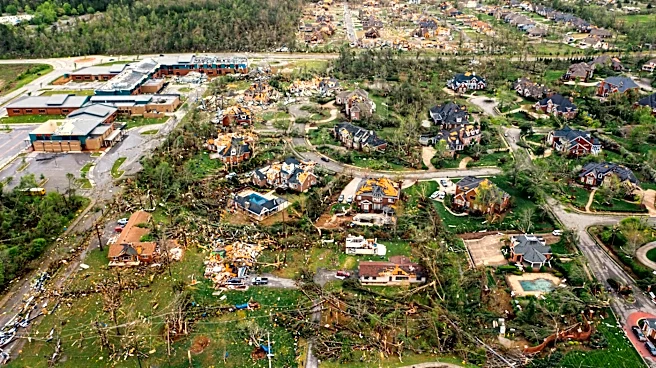
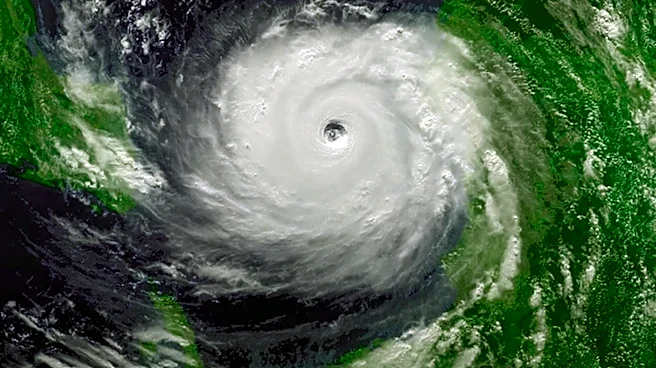
guaranteed. It serves as a signal to stay informed and prepare for potential changes in the forecast. On the other hand, a weather warning is issued when dangerous weather is imminent or occurring, confirmed by radar or trained spotters. This means immediate action is necessary to protect oneself. These alerts are issued for various hazards, including thunderstorms, tornadoes, flash floods, hurricanes, tropical storms, and winter weather.
Why It's Important?
Understanding the difference between a weather watch and a warning is vital for effective emergency preparedness and response. It allows individuals and communities to take appropriate actions to safeguard lives and property. In the U.S., where diverse weather patterns can lead to sudden and severe conditions, timely and accurate weather alerts are essential. They help mitigate risks associated with natural disasters, reduce potential damages, and save lives. Public awareness and education on these alerts can enhance community resilience and ensure that people are better prepared to respond to weather-related emergencies.