







What's Happening?
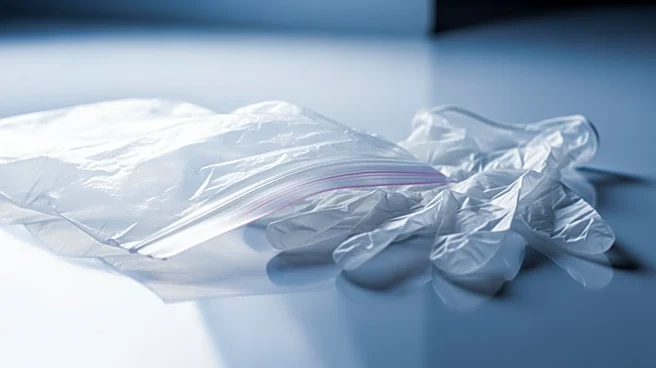
Japan is experiencing a significant shortage of plastic bags, trays, and food service gloves due to a naphtha shortage caused by the ongoing crisis in the Middle East. Naphtha, a key ingredient in the production of various plastics, is primarily sourced
from crude oil in the Middle East. The Japan Petrochemical Industry Association reported a 62% drop in polyethylene production, which is used in shopping and garbage bags. The shortage is affecting the food sector, which accounts for a substantial portion of Japan's annual plastic use. Retailers are encouraging customers to bring their own bags and containers as a response to the shortage. The Japanese government has assured the public that the issue is a supply bottleneck rather than a complete shortage, but industry leaders warn that the situation may worsen.
Why It's Important?
The shortage highlights the vulnerability of supply chains that rely heavily on petrochemicals from politically unstable regions. This situation could lead to increased prices and disruptions in various sectors, particularly in food services and retail. The crisis underscores the need for Japan and other countries to diversify their sources of raw materials and invest in alternative, sustainable materials. The shortage also raises concerns about the environmental impact of plastic use and the importance of moving towards more sustainable practices. The situation in Japan could serve as a warning to other nations about the risks of over-reliance on specific regions for critical resources.
What's Next?
Japan may need to explore alternative sources of naphtha or accelerate the development of bio-based plastics to mitigate the impact of the shortage. The government and industry leaders might also consider implementing stricter regulations on plastic use and promoting recycling and reuse initiatives. In the short term, businesses and consumers will need to adapt to the scarcity of plastic products, potentially leading to changes in consumer behavior and business practices. The situation could also prompt other countries to reassess their supply chain dependencies and explore more sustainable and resilient alternatives.