
What's Happening?
UN Secretary-General Antonio Guterres has issued a warning about the United Nations facing an 'imminent financial collapse' due to unpaid fees and a budget rule that mandates the return of unspent funds.
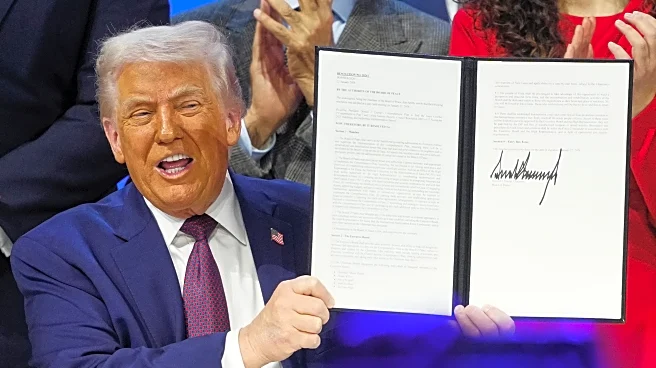
This warning comes amid the United States, the UN's largest financial contributor, reducing its financial support. Guterres highlighted that the liquidity crisis is worsening, threatening the delivery of programs and risking financial collapse. The United States has cut voluntary funding to UN agencies and has not fulfilled mandatory payments to the regular and peacekeeping budgets. Guterres emphasized the need for member states to honor their financial obligations or for the UN's financial rules to be fundamentally changed to prevent running out of funds by July.
Why It's Important?
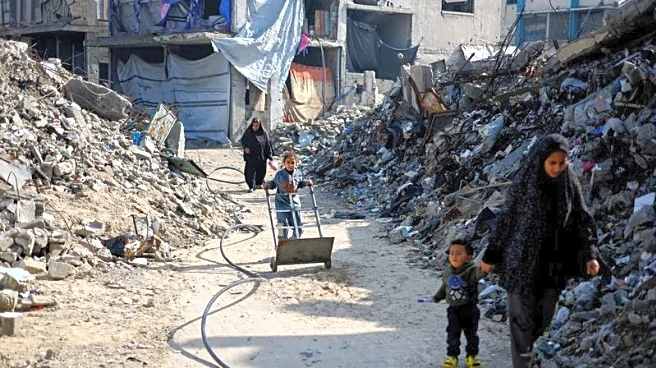
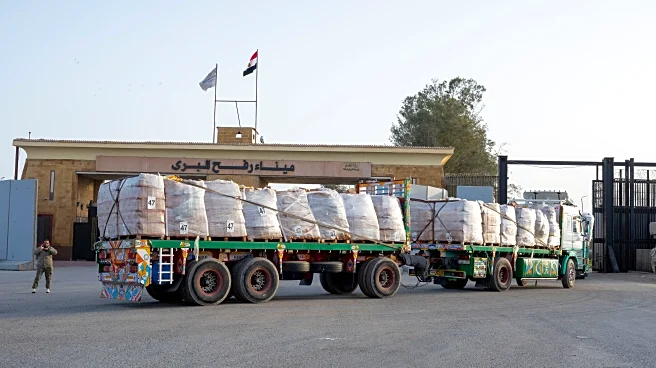
The financial instability of the United Nations could have significant implications for international peacekeeping, humanitarian aid, and global development initiatives. The United States' decision to reduce funding reflects a broader retreat from multilateralism, potentially weakening the UN's ability to address global challenges. This situation could lead to a reduction in the UN's operational capacity, affecting various programs worldwide. The financial crisis also highlights the dependency of international organizations on member states' contributions, raising questions about the sustainability of such funding models.
What's Next?
The UN may need to explore alternative funding mechanisms or reforms to its financial rules to ensure sustainability. Member states might be called upon to reassess their financial commitments to the organization. The United States' stance on funding could influence other countries' contributions, potentially leading to a broader reevaluation of international financial support for the UN. The situation may prompt discussions on the role and relevance of the UN in addressing global issues, especially if financial constraints limit its effectiveness.
Beyond the Headlines
The financial crisis at the UN underscores the challenges of maintaining international cooperation in a changing geopolitical landscape. The reliance on a few major contributors like the United States highlights vulnerabilities in the UN's funding structure. This situation may prompt a broader debate on the need for financial reforms and the diversification of funding sources to ensure the organization's resilience. Additionally, the focus on anti-Israel bias and the conditions set by the United States for funding could lead to further political tensions within the UN.