







What's Happening?
A cross-sectional study conducted in Wuhan, China, has examined the impact of indoor environmental factors and family hygiene practices on childhood allergic diseases. Using weighted quantile sum (WQS) regression models, the study analyzed data from 9,086
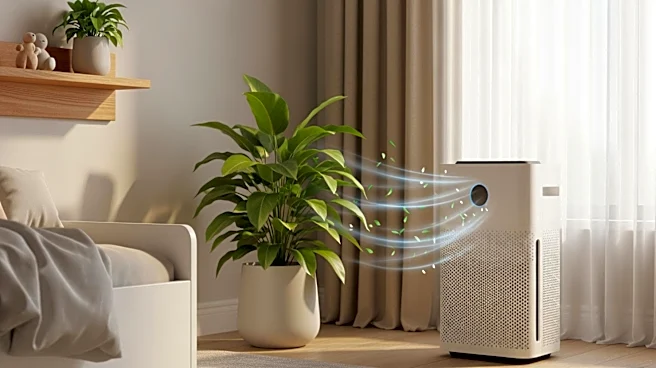
children aged 3 to 6 years. It found that practices such as frequent room cleaning and opening windows during sleep were associated with decreased odds of allergic rhinitis and eczema. Conversely, the use of air cleaners and air conditioners was linked to increased odds of these conditions. The study highlights the complex interactions between household behaviors and childhood allergic diseases.
Why It's Important?
The findings underscore the importance of considering household behaviors in the management and prevention of childhood allergic diseases. By identifying specific practices that may exacerbate or mitigate these conditions, the study provides valuable insights for parents and healthcare providers. This could lead to more effective strategies for reducing the incidence of allergic diseases in children, potentially improving their quality of life and reducing healthcare costs associated with managing these conditions.
What's Next?
Further research is needed to establish causality and explore the underlying mechanisms of these associations. Future studies could focus on developing guidelines for optimal indoor environmental practices to prevent childhood allergic diseases. Additionally, public health campaigns may be initiated to educate families on effective household practices to reduce the risk of allergies in children.