




What's Happening?
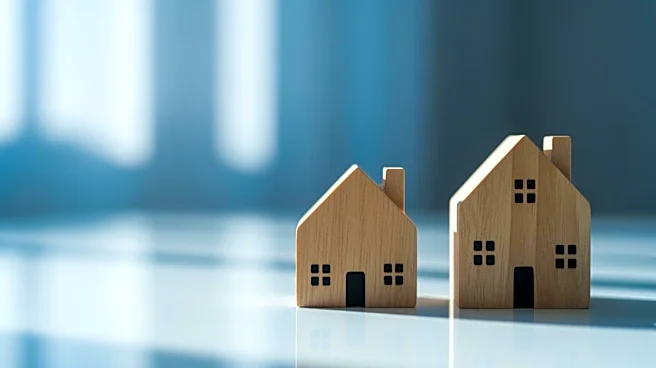
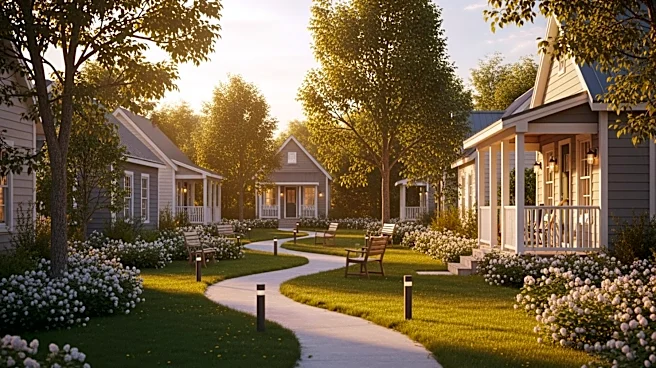
The American housing market is experiencing a shift as Millennials and Gen Zers show a preference for smaller homes in walkable communities over larger suburban houses. This trend reflects changing ideas about what constitutes a good home and lifestyle.
The concept of 'missing middle housing,' coined by architect Daniel Parolek, highlights the lack of medium-scale housing options like row houses, which are in high demand but underrepresented in new construction. Zoning issues and historical preferences for larger homes have contributed to this gap. Despite the demand, row houses and similar housing types face challenges due to city codes that favor larger lot sizes and lower densities.
Why It's Important?
This shift in housing preferences has significant implications for urban planning and real estate development in the U.S. As younger generations prioritize walkability and community over size, there is a growing need for policies that support the development of medium-density housing. This could lead to more sustainable urban growth, reduced environmental impact, and increased affordability in housing markets. The trend also challenges traditional notions of the 'American Dream' home, potentially influencing future housing policies and market dynamics. Developers and policymakers must adapt to these changing preferences to meet the needs of a new generation of homebuyers.
Beyond the Headlines
The preference for smaller, more community-oriented housing reflects broader cultural shifts towards sustainability and minimalism. As urban areas become more densely populated, the demand for efficient use of space and resources will likely increase. This trend may also influence the design of public spaces and transportation infrastructure, as cities strive to create environments that support these new living preferences. Additionally, the emphasis on walkability and community could lead to stronger local economies and more vibrant neighborhoods, as residents engage more with local businesses and amenities.