




What's Happening?
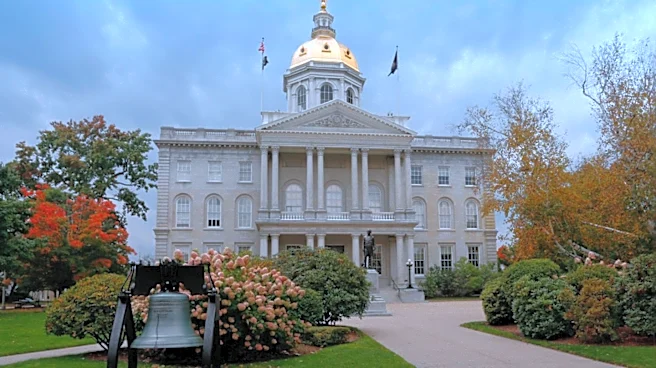
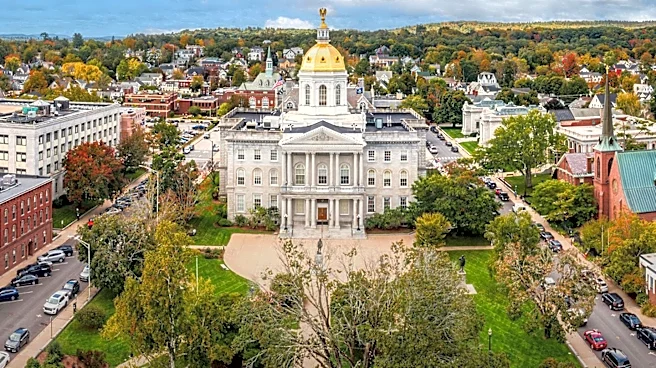
An article explores New Hampshire's historical role as a regional outlier, highlighting its unique political and social developments. The state has a history of setting precedents, such as being the first to lower Britain's flag in 1774 and establishing
the first public library in 1883. However, it has also lagged in areas like abolition and civil rights. The article discusses New Hampshire's reluctance to outlaw slavery and its late recognition of Martin Luther King Jr. Day. Despite these challenges, the state has been a leader in female political representation, with notable achievements in electing women to high office.
Why It's Important?
New Hampshire's history as a regional outlier reflects broader themes of independence and resistance to federal intervention. The state's unique political landscape has shaped its identity and influenced its approach to governance. The exploration of New Hampshire's past provides insight into its current political dynamics and the factors that contribute to its distinctiveness. Understanding these historical contexts can inform discussions on state policy and regional cooperation, highlighting the balance between tradition and progress in shaping the state's future.
What's Next?
As New Hampshire continues to navigate its role as a regional outlier, ongoing debates over issues like marijuana legalization and reproductive rights will test its political identity. The state's approach to these issues will be closely watched, as they may set precedents for other states. The balance between maintaining historical values and embracing modern reforms will be a key consideration for policymakers and voters. The outcome of these debates could influence New Hampshire's position within the broader New England region and its relationship with federal policies.