

What's Happening?
The Trump administration is reportedly spending at least $900 million on various construction projects at the White House, including a controversial $400 million ballroom over the demolished East Wing. This funding, according to reports, has been sourced
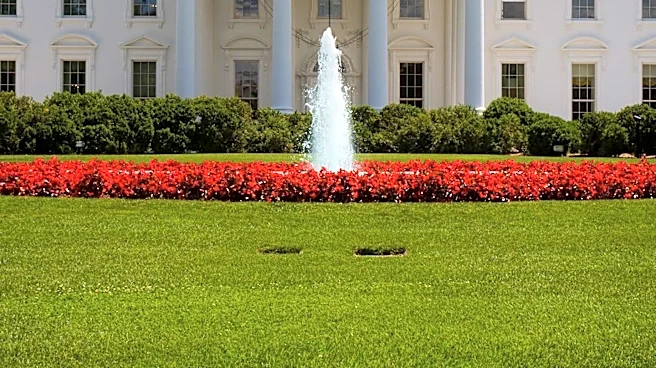
from other government agencies and private donors, bypassing direct congressional approval. The renovations, labeled as 'modernization projects,' also include a helipad, updated fountains, a new visitor screening center, and a subterranean bunker. A federal appeals court recently halted the ballroom construction, questioning its necessity for national security. The administration's approach to funding these projects has raised concerns about transparency and the prioritization of cosmetic over essential renovations.
Why It's Important?
The significant expenditure on White House renovations highlights issues of fiscal responsibility and transparency within the Trump administration. The use of funds from other agencies and private donations, rather than direct congressional appropriations, raises questions about accountability and the potential for misuse of taxpayer money. The halted ballroom project, in particular, underscores the tension between the administration's claims of national security needs and judicial oversight. This situation could impact public trust in government spending and influence future legislative scrutiny over executive branch expenditures.
What's Next?
The administration may face increased pressure from Congress and the public to justify the necessity and funding sources for these renovations. Legal challenges could continue, particularly concerning the halted ballroom project. The outcome of these disputes may set precedents for how future administrations approach funding and executing large-scale projects within the White House. Additionally, the administration's handling of this situation could influence its political capital and public perception ahead of upcoming elections.