



What's Happening?
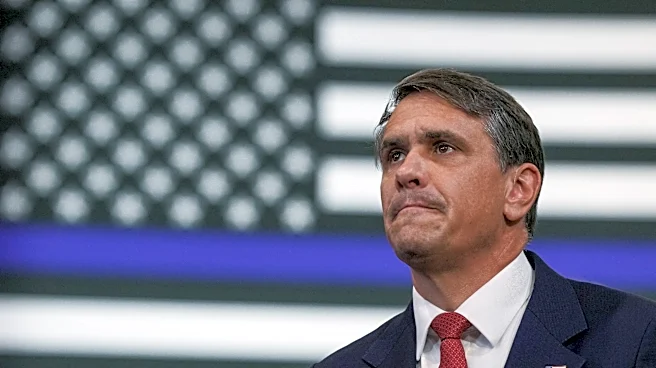
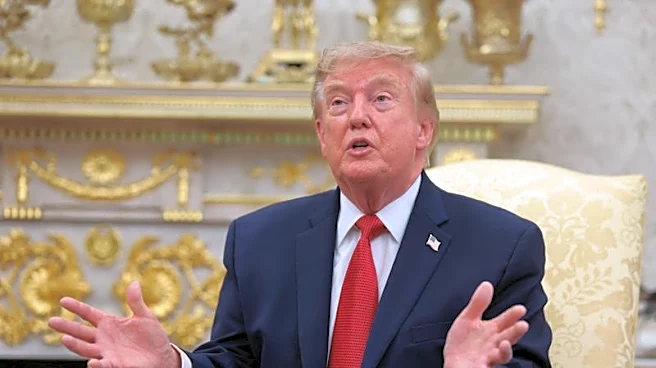
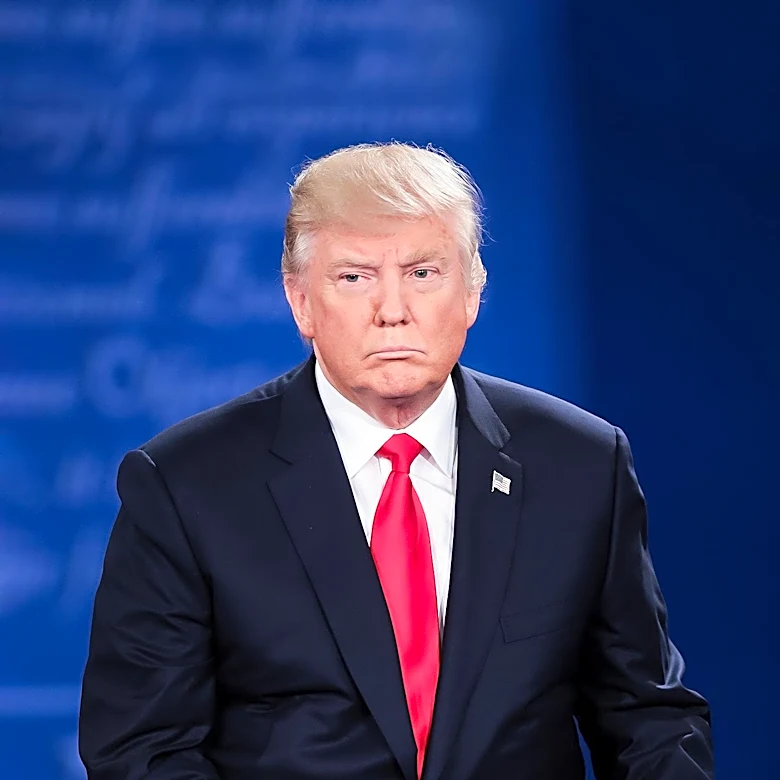
President Trump has issued an executive order aimed at tweaking the childhood vaccine schedule, which has drawn criticism from Senator Bill Cassidy (R-La.). Senator Cassidy expressed concerns about the order's impact on insurance costs and the number
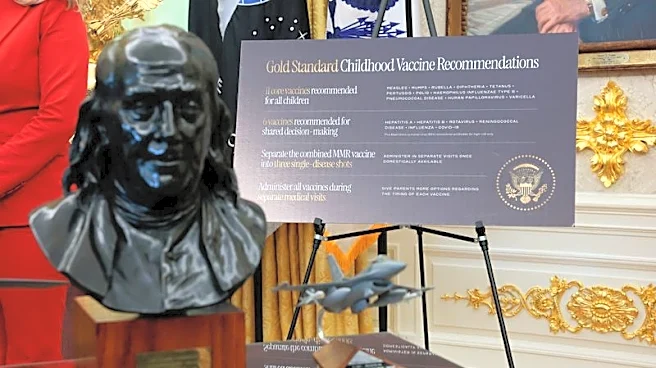
of shots children would receive. He stated that instead of two shots, children might now need six, referring to President Trump's directive to split the measles, mumps, and rubella (MMR) vaccine into three separate shots. This executive order, released on August 10, does not directly mention autism, but President Trump has publicly linked vaccines to an increase in autism cases. The directive has puzzled leading medical groups, doctors, and political analysts, especially as it comes less than 90 days before midterm elections. Federal regulators are also reportedly chipping away at Medicaid 1115 waivers, aligning with President Trump's fiscal and ideological goals, which could have significant financial implications for providers and states.
Why It's Important?
This executive order has significant implications for public health policy, healthcare costs, and the political landscape in the U.S. The potential increase in the number of vaccine shots could lead to higher administrative burdens for healthcare providers and increased costs for families and insurance companies. More broadly, the order's underlying premise, linking vaccines to autism, contradicts established scientific consensus and could undermine public trust in vaccination programs, potentially leading to a resurgence of preventable diseases. For the pharmaceutical industry, changes to the vaccine schedule could impact vaccine production and distribution. Politically, the timing of the order before midterm elections suggests a strategic move, but it also risks alienating medical professionals and public health advocates. The changes to Medicaid waivers could further strain state budgets and reduce access to care for vulnerable populations, impacting healthcare providers' financial stability.
What's Next?
The administration is expected to push states to rework their vaccine requirements to incorporate the new federal guidelines. The Department of Justice, the Department of Education, and the Department of Health and Human Services have been directed to tie compliance with federal funding, indicating a strong federal push for these changes. This could lead to legal challenges from states and medical organizations that oppose the new guidelines. Public health campaigns will likely intensify to counter misinformation about vaccines. The Centers for Medicare and Medicaid Services will continue to pare down Medicaid 1115 waivers, which will likely result in ongoing financial adjustments for states and healthcare providers. The long-term impact on childhood immunization rates and public health outcomes will be closely monitored.
Beyond the Headlines
This issue extends beyond immediate policy changes, touching upon the broader societal challenge of vaccine hesitancy and the role of scientific authority in public discourse. The executive order, fueled by unsubstantiated claims, highlights a growing distrust in established medical science and institutions. This trend can have long-term consequences for public health, potentially eroding the collective immunity that protects communities from infectious diseases. It also underscores the politicization of health issues, where scientific evidence can be overshadowed by political narratives. The debate over vaccine mandates and schedules reflects a deeper struggle over individual liberties versus collective well-being, and the balance of power between federal and state governments in public health matters. The implications for future public health crises, where rapid and widespread vaccination might be crucial, are particularly concerning.