



What's Happening?
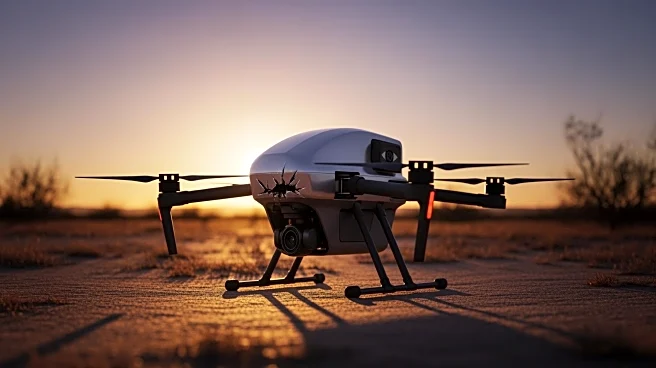
Hundreds gathered at Nasser Hospital in Khan Yunis, Gaza, to pay tribute to three journalists killed by an Israeli airstrike. The journalists, including Abdul Raouf Shaath, a regular AFP contributor, were targeted while allegedly operating a drone. The Israeli military
claims it does not deliberately target journalists, although it has admitted to killing some it accused of being affiliated with Hamas. The incident has drawn attention to the dangers faced by journalists in conflict zones, with Reporters Without Borders noting that nearly 220 journalists have been killed in Gaza since October 2023.
Why It's Important?
The deaths of these journalists highlight the ongoing risks faced by media professionals in conflict areas, particularly in Gaza, which has become one of the deadliest places for journalists. This incident underscores the broader issue of press freedom and the protection of journalists in war zones. The international community often relies on journalists to provide unbiased accounts of conflicts, and their safety is crucial for maintaining transparency and accountability. The situation also raises questions about the adherence to international laws designed to protect journalists.
What's Next?
The Israeli military has stated it is investigating the circumstances of the strike. The outcome of this investigation could influence international perceptions of Israel's military actions and its compliance with international humanitarian laws. Media organizations and human rights groups may increase pressure on Israel to ensure the safety of journalists. Additionally, this incident may prompt further discussions on the need for stronger international protections for journalists in conflict zones.