


What's Happening?
Penny, an ostrich at the Fort Wayne Zoo, is recovering and set to return to her habitat this week after undergoing a wing amputation. The surgery became necessary after Penny attempted to swallow a plastic cup that had blown into her African Veldt habitat on July
23. Zoo staff intervened immediately to remove the plastic from her esophagus, preventing a life-threatening situation. However, during the intervention, Penny sustained an irreparable fracture to her wing, leading to the amputation on July 30. Fort Wayne Zoo Associate Veterinarian Dr. Caitlin Hemby confirmed the details, and Zoo Executive Director & CEO Rick Schuiteman emphasized the importance of preventing pollution to protect wildlife.
Why It's Important?
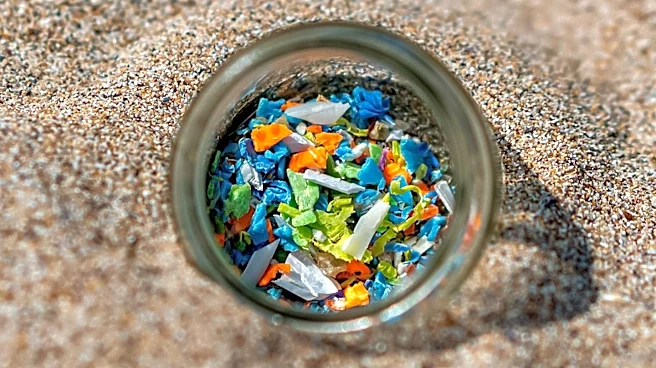
This incident highlights the significant dangers that human-generated waste, such as plastic cups, pose to wildlife, even within controlled environments like zoos. It underscores the constant vigilance required by animal care teams to protect animals from accidental ingestion of foreign objects. The need for an amputation for Penny serves as a stark reminder of the severe consequences of pollution and the potential for seemingly innocuous items to cause serious harm or even death to animals. The zoo's public statement also serves as an educational opportunity, urging visitors and the broader community to be more mindful of litter and its environmental impact, reinforcing the message that collective efforts are crucial for wildlife conservation.
What's Next?
Penny the ostrich will be returning to her habitat this week, and the Fort Wayne Zoo is preparing visitors for changes in her appearance, including a visible incision mark and fewer feathers around the amputation site, which will eventually grow back. The zoo's Animal Care & Health teams will continue to monitor her recovery. This event is likely to prompt increased awareness and potentially stricter measures regarding litter control within the zoo and surrounding areas. The zoo's leadership is using this incident to advocate for greater public responsibility in waste management, hoping to prevent similar occurrences with other animals, both in captivity and in the wild.
Beyond the Headlines
Beyond the immediate recovery of Penny, this story touches on broader ethical and environmental considerations. It brings to light the pervasive issue of plastic pollution and its far-reaching effects on ecosystems and animal welfare globally. The incident at a zoo, a place dedicated to animal protection and education, serves as a microcosm of the larger environmental crisis. It challenges individuals and institutions to re-evaluate waste disposal practices and consider the 'hidden' costs of convenience. The narrative also subtly emphasizes the dedication and expertise of veterinary and animal care professionals who work tirelessly to mitigate human-induced harm to animals, often performing complex medical procedures under challenging circumstances.