
What's Happening?
Syria is positioning itself as a neutral corridor amid the regional conflict sparked by the U.S. and Israel's attacks on Iran. Despite missiles flying overhead, Syria has managed to stay on the sidelines
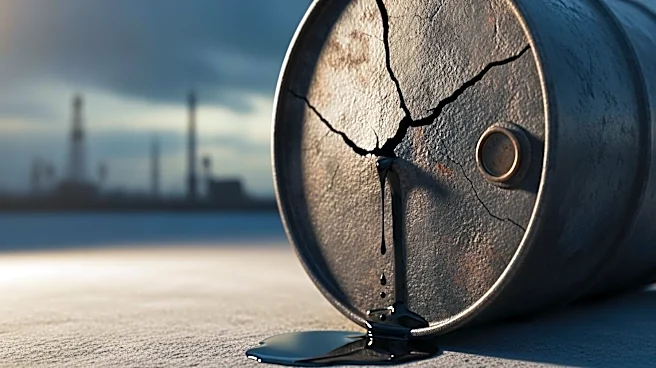
and is offering an alternative transport route for oil exports that can no longer pass through the Strait of Hormuz. The Syrian government is working to rebuild relations with Arab and Western countries, presenting itself as a solution to strategic crises in the region. Syria's interim President Ahmad al-Sharaa has touted the country as a secure artery connecting Central Asia and the Gulf to Europe.
Why It's Important?
Syria's neutral stance in the regional conflict could enhance its political standing and offer economic opportunities through alternative transport routes for oil exports. The country's strategic positioning as a safe corridor may attract investment and strengthen its relationships with neighboring countries and international stakeholders. However, Syria's economic challenges persist, and the conflict's impact on Gulf countries may limit their ability to invest in Syria's postwar reconstruction. The situation highlights the complex dynamics of regional geopolitics and the potential for Syria to play a pivotal role in future economic and political developments.
What's Next?
Syria may continue to leverage its neutral position to attract investment and strengthen diplomatic ties. The reopening of border crossings and infrastructure projects could enhance Syria's role as a strategic transport hub. However, the country's economic challenges and regional tensions may pose obstacles to long-term stability and growth. International stakeholders may seek to engage with Syria to address broader geopolitical issues and support efforts to maintain peace and security in the region.