





What's Happening?
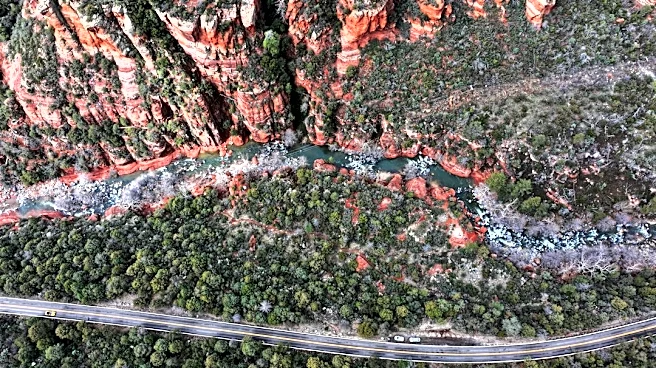
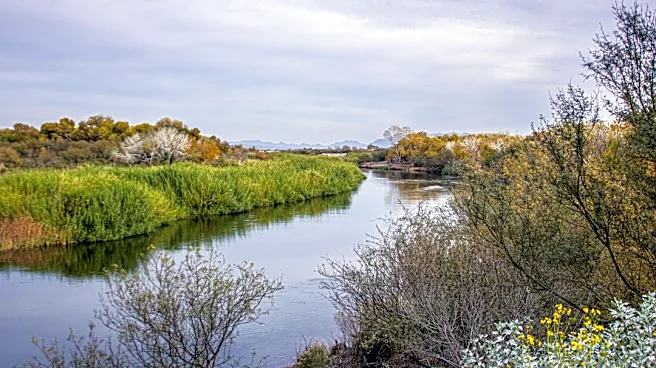
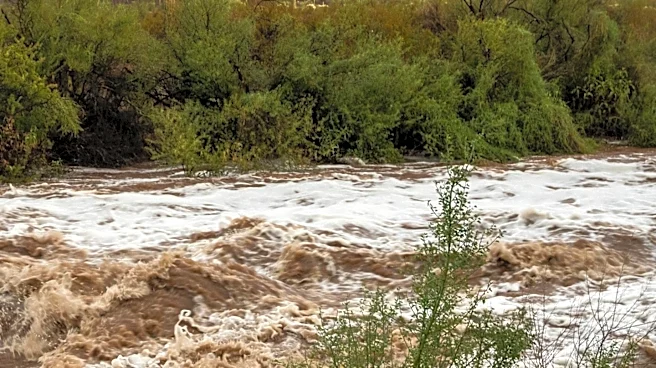
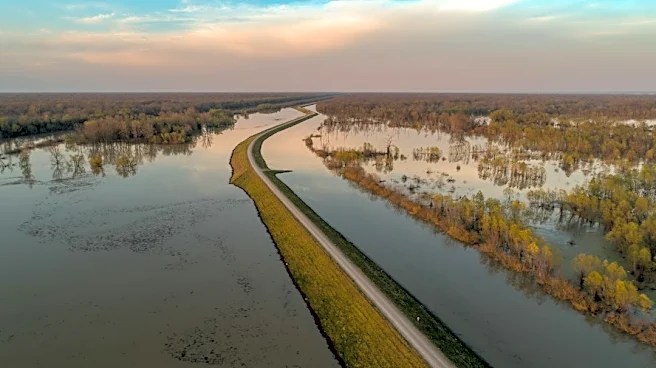
Arizona is transitioning to drier and warmer weather conditions after an active period of rain and storms over the past weekend. While rainfall has ceased, multiple rivers and washes, particularly in the Phoenix area, remain under active flood warnings.
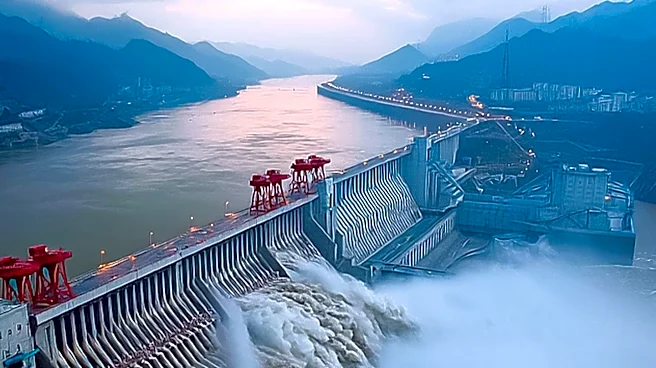
Specifically, the Salt, New, and Verde rivers in Maricopa County are under flood warnings through Tuesday morning, with the Salt River's warning extending through Thursday to Gila Bend due to ongoing dam releases. High country flood warnings are expected to conclude tonight and Tuesday morning as water levels in creeks and rivers subside. The forecast indicates mostly sunny conditions throughout the week, with temperatures slightly below normal until Friday, after which they are projected to climb into the low 80s for the weekend. Phoenix will experience cool mornings in the upper 50s and mild highs in the upper 70s through Friday.
Why It's Important?
The shift in Arizona's weather from severe storms to drier, warmer conditions has significant implications for public safety, water management, and local economies. Persistent flood warnings, especially along major rivers like the Salt and Verde, highlight the delayed impact of heavy rainfall due to upstream runoff and dam operations. This necessitates continued vigilance from residents and travelers, particularly concerning road closures and potential hazards near waterways. For water management authorities, the dam releases are crucial for controlling water levels and preventing further flooding, but they also affect water availability downstream. The return to warmer, dry weather is beneficial for outdoor activities and tourism, but it also brings a renewed focus on heat safety, a perennial concern in Arizona. Businesses affected by previous storm-related disruptions can anticipate a return to normal operations, while the agricultural sector will monitor water levels for irrigation needs.
What's Next?
As Arizona moves into a period of dry and warming weather, the immediate focus will be on the expiration of remaining flood warnings and the safe management of river levels. Authorities will continue to monitor the Salt, Verde, and Gila rivers, particularly in areas affected by dam releases, to ensure public safety. Residents are advised to stay informed about local weather updates and flood advisories, especially if planning activities near waterways. With temperatures rising into the low 80s by the weekend, public health campaigns will likely emphasize heat safety precautions, including hydration and avoiding strenuous outdoor activities during peak heat hours. Emergency services will remain prepared for any lingering effects of the storms or new heat-related incidents. The long-term outlook suggests a return to typical Arizona weather patterns, but the recent events serve as a reminder of the state's vulnerability to extreme weather fluctuations.
Beyond the Headlines
The recent weather events in Arizona, characterized by intense storms followed by persistent flood warnings and a return to dry heat, underscore the complex challenges of climate variability in arid regions. The interplay between heavy rainfall, river systems, and dam management highlights the critical infrastructure and policy decisions required to manage water resources effectively and mitigate disaster risks. This situation also brings to light the broader societal adaptation needed in regions prone to both flooding and extreme heat. The public's response to weather advisories and the effectiveness of communication strategies are crucial in preventing casualties and minimizing economic disruption. Furthermore, these events may prompt discussions on urban planning and development in flood-prone areas, as well as investments in resilient infrastructure to withstand future climate-related challenges. The balance between managing water for human consumption, agriculture, and flood control remains a delicate and ongoing policy concern.