




What's Happening?
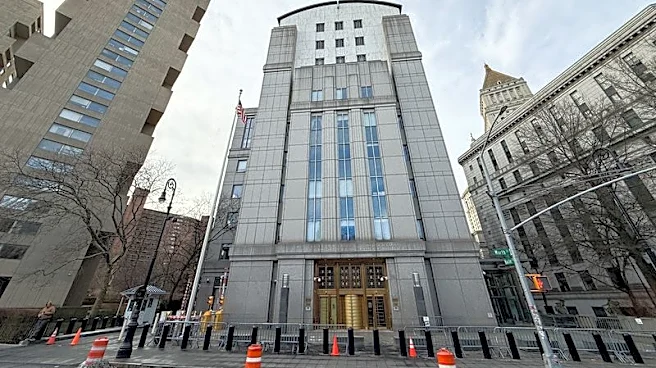
A federal judge in New York has ruled that the Trump administration's cancellation of over $100 million in humanities grants was unconstitutional. The Department of Government Efficiency (DOGE) lacked the authority to terminate the funding, which was intended
for scholars, writers, and research groups. The court found that the cancellations violated the First and Fifth Amendments, constituting viewpoint discrimination. The ruling permanently bars the administration from ending the grants and criticizes the use of artificial intelligence in the decision-making process. The decision is a victory for several organizations that sued the government, including the American Historical Association and the Authors Guild.
Why It's Important?
This ruling underscores the importance of adhering to constitutional principles in government actions, particularly regarding free speech and equal protection. By overturning the grant cancellations, the court reaffirms the role of federal funding in supporting the humanities and academic freedom. The decision may influence future administrations' approaches to funding and policy decisions, emphasizing the need for transparency and adherence to legal standards. For the affected organizations and individuals, the ruling provides a reprieve and ensures continued support for their work, which is vital for cultural and educational development.
What's Next?
The administration may consider appealing the decision, although no immediate plans have been announced. The ruling could prompt a reevaluation of funding policies and the use of AI in government decision-making. Organizations that were affected by the cancellations may resume their projects with renewed support, contributing to the humanities and public discourse. The case may also inspire further legal challenges to government actions perceived as overreaching or unconstitutional, reinforcing the checks and balances within the U.S. political system.