

What's Happening?
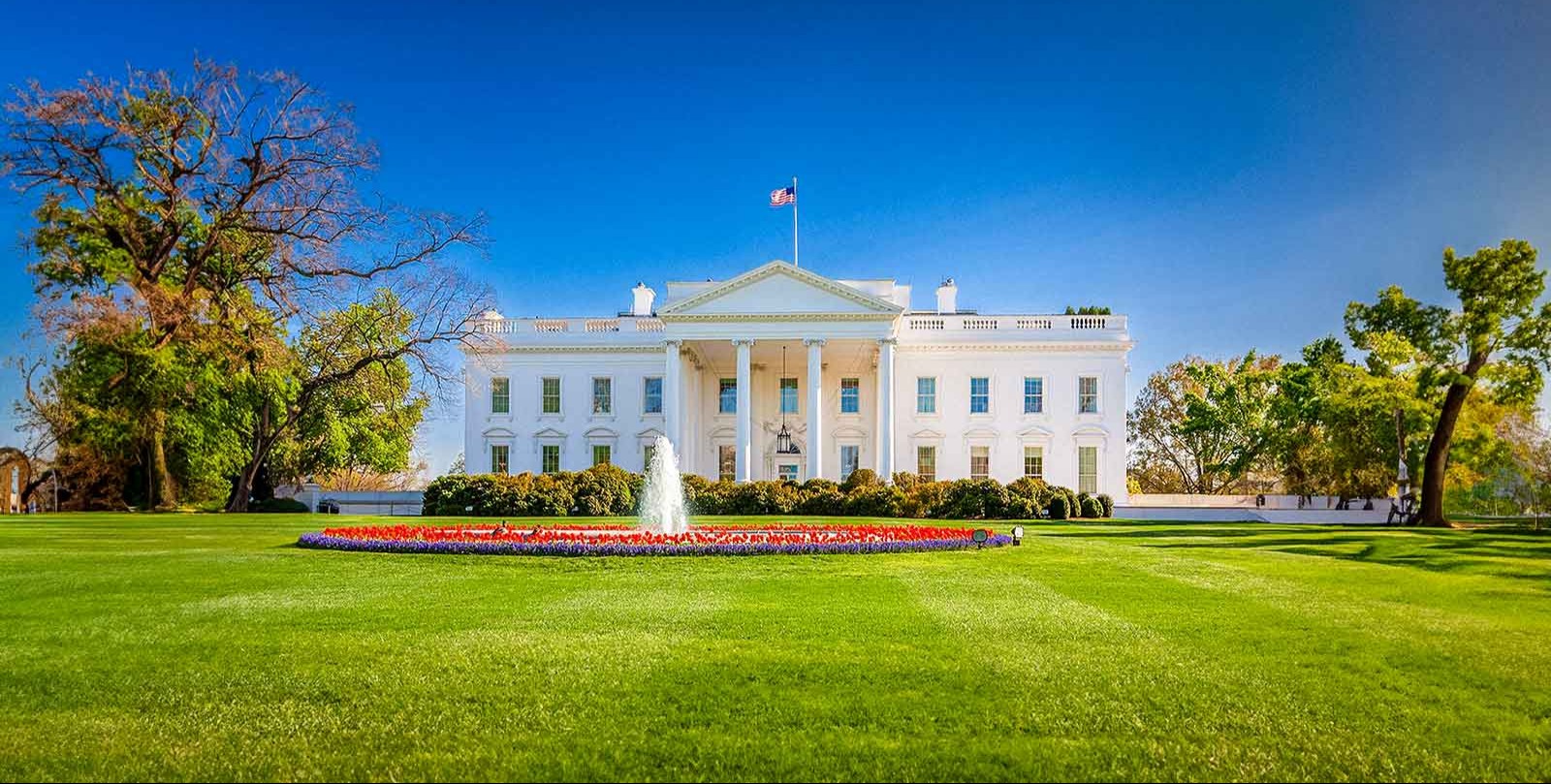
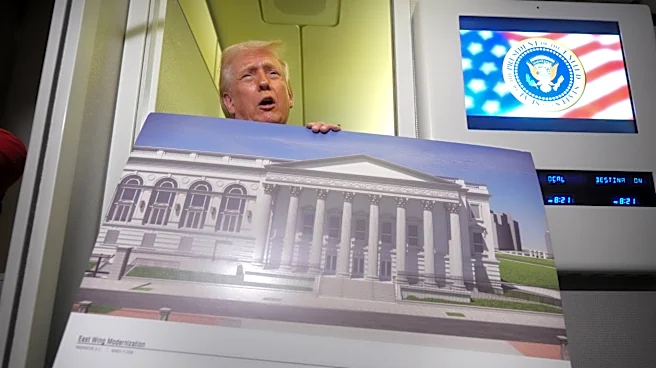
President Trump has stated that he does not require congressional approval for the construction of a new ballroom at the White House, despite a federal judge's order to halt the project. Trump argued that the ballroom is funded entirely by private donations
and not taxpayer money, and parts of it qualify as security-related construction, which could allow the project to proceed. The administration plans to appeal the judge's ruling, maintaining that the construction is within legal bounds.
Why It's Important?
This development highlights ongoing tensions between the executive branch and the judiciary over the scope of presidential authority, particularly in matters involving federal property and construction. The outcome of this legal dispute could set a precedent for how future administrations approach similar projects. Additionally, the case underscores the complexities of funding and authorization for federal projects, especially when private donations are involved. The decision could impact how such projects are managed and approved in the future, affecting stakeholders in government contracting and construction industries.
What's Next?
The administration's appeal of the federal judge's ruling will be closely watched, as it could lead to further legal battles over the separation of powers and the limits of executive authority. If the appeal is successful, it may embolden the administration to pursue other projects without congressional approval. Conversely, if the appeal fails, it could reinforce the judiciary's role in checking executive actions, potentially leading to more stringent oversight of federal projects.