




What's Happening?
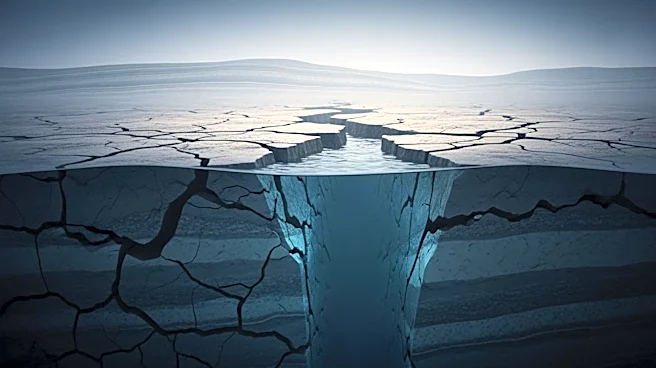
Scientists have captured a subduction zone in the Pacific Northwest in the process of breaking apart, a first in geological research. This discovery was made in the Cascadia region, where the Juan de Fuca and Explorer plates are sliding beneath the North American
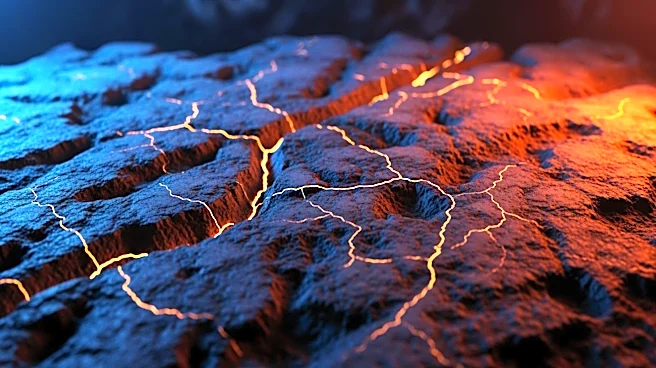
plate. Using seismic reflection imaging and earthquake data, researchers observed the tectonic plates not just sinking but actively tearing apart. This phenomenon was documented during the 2021 Cascadia Seismic Imaging Experiment, which utilized advanced imaging techniques to reveal detailed images of faults and fractures beneath the ocean floor. The study, led by Brandon Shuck from Louisiana State University, highlights the gradual breakdown of subduction zones, which do not fail all at once but rather through a process of episodic termination. This finding provides new insights into the life cycle of tectonic plates and raises questions about future earthquake risks in the region.
Why It's Important?
The discovery of a subduction zone breaking apart has significant implications for understanding earthquake risks in the Pacific Northwest. Subduction zones are responsible for some of the most powerful geological events, including major earthquakes and volcanic eruptions. The gradual breakdown of these zones could influence how seismic energy spreads, potentially altering the risk of large earthquakes and tsunamis in the Cascadia region. This research enhances the ability to model and simulate seismic hazards, which is crucial for public safety and infrastructure planning. The findings also offer a new perspective on the geological history of the Earth, explaining features such as fragments of old tectonic plates and volcanic activity in other regions.
What's Next?
Researchers are now focused on understanding how the newly discovered tears in the subduction zone might affect future seismic activity. Key questions include whether a major earthquake rupture could cross these breaks and how the fractures might alter the spread of seismic energy. While the findings do not currently change the overall earthquake risk in the Cascadia region, they will be incorporated into models to improve predictions and preparedness measures. Ongoing research will continue to explore the implications of this discovery for seismic hazards and the geological evolution of the region.