
What's Happening?
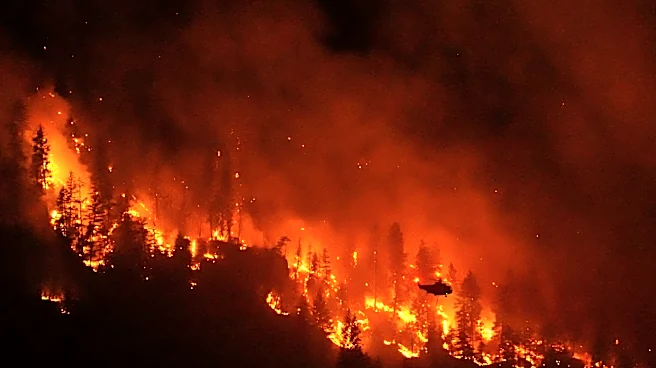
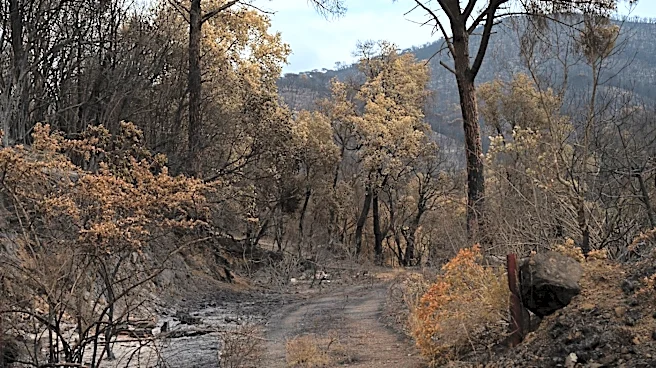
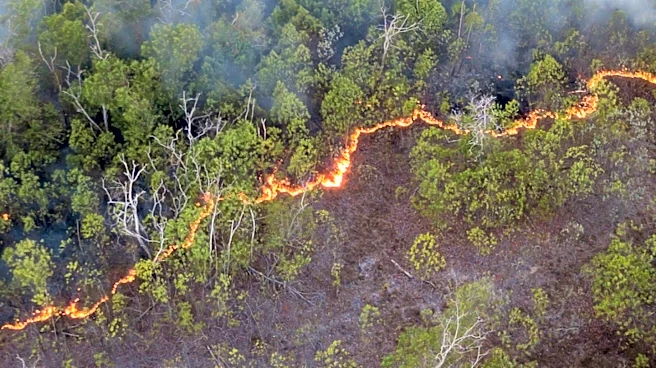
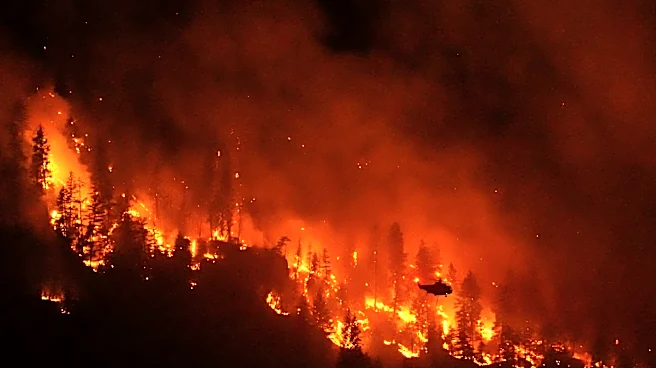
A recent study highlights the growing threat of methane emissions from Siberia, which could offset 20% of global methane reduction targets by 2050. As the Arctic warms, permafrost thaws and wildfires increase, releasing significant amounts of methane.
The study, led by Professor Liu Yi from the Institute of Atmospheric Physics, used a methane flux inversion system to integrate satellite data and ground observations, reducing uncertainties in emission estimates. Findings indicate that Siberian methane emissions have risen significantly, driven by atmospheric circulation patterns that promote wildfire activity and methanogenesis. The study underscores the importance of understanding regional emissions to accurately assess the global methane budget.
Why It's Important?
Methane is a potent greenhouse gas, and its increased emissions from Siberia pose a significant challenge to global climate targets. The findings highlight the complexity of climate change, where regional feedbacks can have global implications. If not addressed, these emissions could undermine efforts to reduce anthropogenic methane and meet international climate agreements. The study emphasizes the need for comprehensive climate models that account for such regional variations, ensuring more accurate predictions and effective mitigation strategies.
What's Next?
The study calls for increased monitoring and research to better understand the drivers of methane emissions in Siberia. Policymakers may need to consider these findings in future climate negotiations and mitigation plans. There could be a push for international collaboration to address the unique challenges posed by Arctic warming and its impact on global methane levels. Additionally, efforts to develop technologies and strategies to mitigate methane emissions from natural sources may become a priority.
Beyond the Headlines
The study raises questions about the broader implications of Arctic warming, including its impact on indigenous communities and ecosystems. As permafrost thaws, there are concerns about infrastructure stability and the release of ancient pathogens. The findings also highlight the interconnectedness of global climate systems, where changes in one region can have cascading effects worldwide. This underscores the urgency of addressing climate change through coordinated global efforts.