
What's Happening?
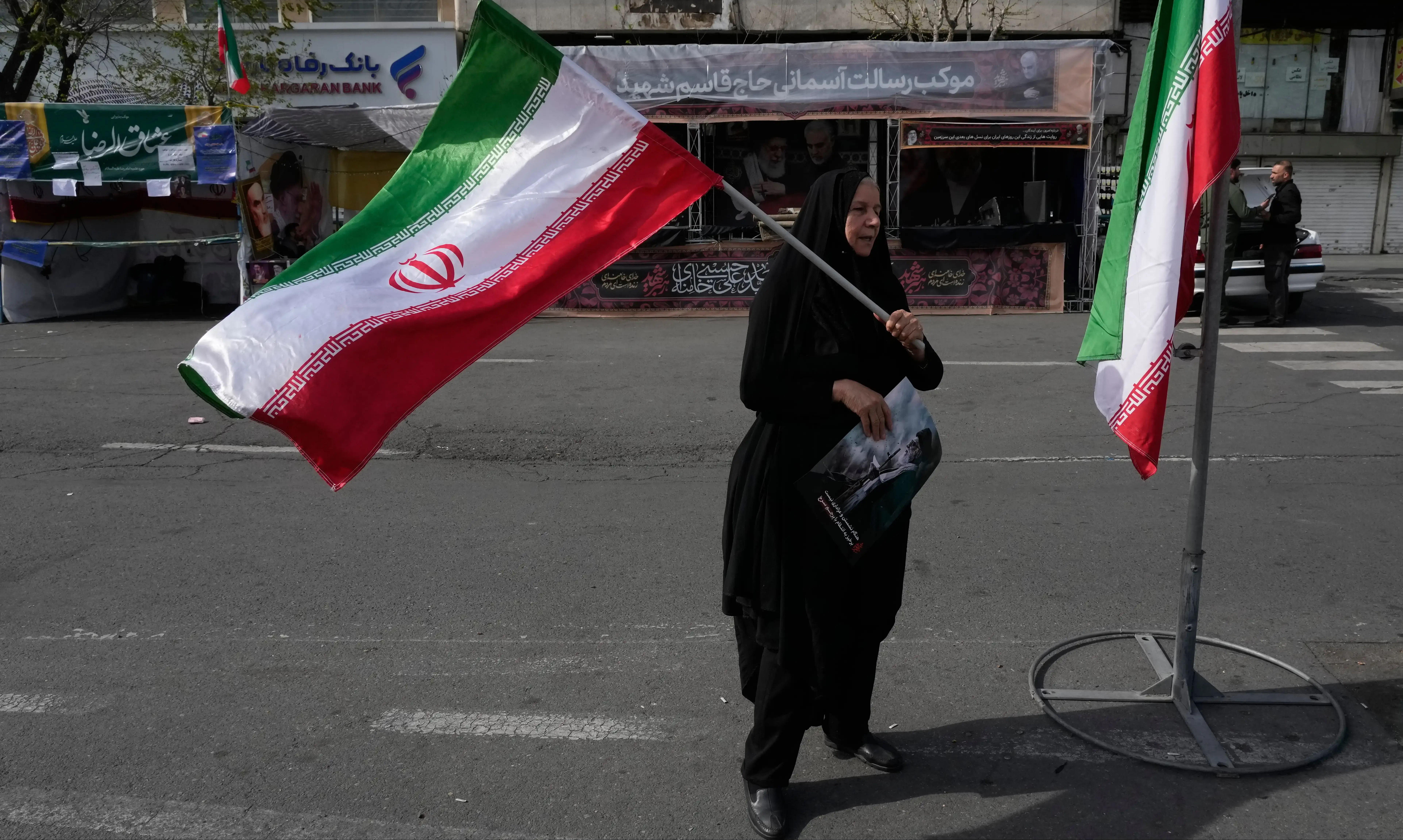
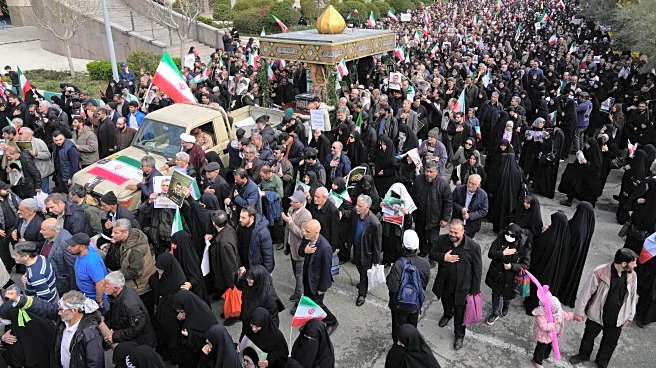
There are conflicting reports regarding potential diplomatic talks between the United States and Iran amidst ongoing military conflict in the Middle East. President Trump has claimed that the US and Iran have reached 'major points of agreement,' suggesting
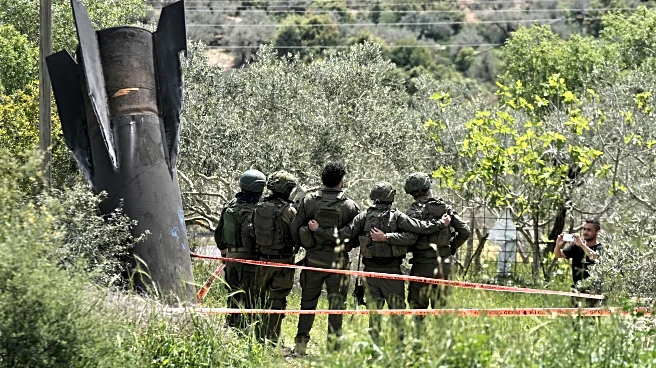
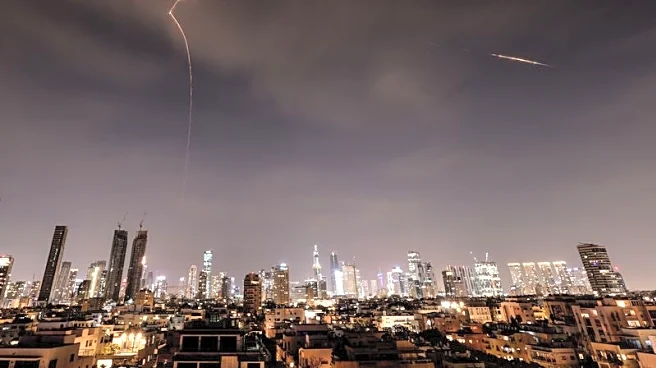
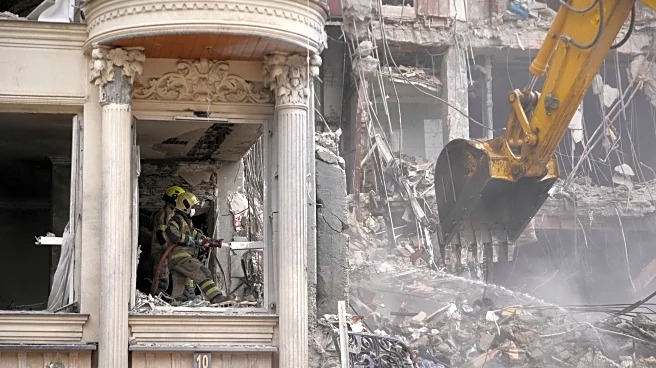
a possible truce. However, Iran has publicly denied any direct negotiations, leading to confusion in financial and energy markets. The conflict continues with Tehran launching missile attacks on Israel, and Israel responding with strikes on Iranian and Lebanese targets. Pakistan has expressed readiness to facilitate talks, with Vice President JD Vance potentially attending discussions in Islamabad.
Why It's Important?
The uncertainty surrounding US-Iran negotiations highlights the complexities of international diplomacy in conflict zones. The potential for a truce could significantly impact regional stability and global oil markets, as the Middle East is a critical energy supplier. The involvement of major powers like the US and Iran in the conflict raises stakes for international security and economic interests. Successful negotiations could lead to a de-escalation of hostilities, while failure to reach an agreement may prolong the conflict and its associated economic and humanitarian impacts.
What's Next?
The next steps involve potential diplomatic engagements, with Pakistan offering to host talks between the US and Iran. The outcome of these discussions could influence the trajectory of the conflict. Meanwhile, Israel's continued military actions suggest a reluctance to cease hostilities, which may complicate peace efforts. The international community may increase pressure on involved parties to negotiate, while monitoring the situation for further developments.