







What's Happening?
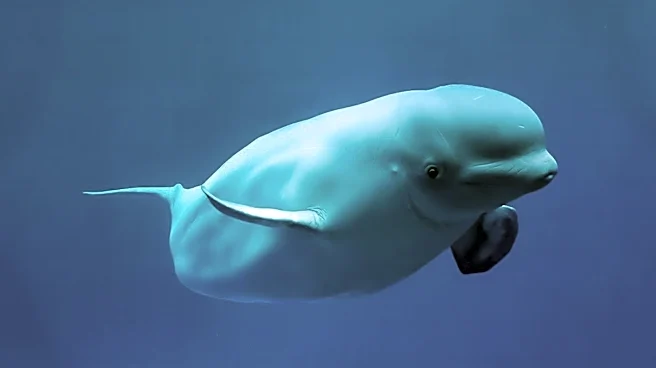
Osiris, a 26-year-old female beluga whale, has died at Chicago's Shedd Aquarium, marking the fourth death among belugas relocated from Canada's Marineland. Osiris's condition rapidly declined despite veterinary efforts. This follows the deaths of Jelly
Bean in Spain and Peekachu and Rain at Shedd Aquarium. Osiris was among 30 beluga whales moved as part of an international rescue effort involving accredited aquariums in the U.S. and Europe. Shedd Aquarium, which received 10 of these whales, stated that the animals arrived with complex health needs that were not fully understood prior to their arrival. Animal Justice, a Canadian animal rights organization, has criticized the relocation timeline and the Canadian government's approval process, questioning the scrutiny applied to the whales' health before transfer. They allege the animals were moved on an 'irresponsibly short timeline' as Marineland sought to redevelop or sell its property.
Why It's Important?
The deaths of these beluga whales raise significant concerns about animal welfare in captivity and the ethics of relocating marine mammals, especially those with pre-existing health issues. This situation highlights the immense challenges faced by aquariums in caring for rescued animals, particularly when their health status is compromised upon arrival. For the U.S. aquarium industry, these deaths could lead to increased public scrutiny and calls for greater transparency regarding animal acquisition and care practices. It also underscores the ongoing debate between animal rights organizations and marine parks about the suitability of keeping large marine animals in captivity and the potential risks associated with their transfer. The incident could influence future policies and regulations concerning the international movement of captive wildlife and the standards of care required for such animals.
What's Next?
A full necropsy will be conducted to determine Osiris's cause of death, and results from examinations related to the deaths of Peekachu, Rain, and Beethoven (a longtime resident whale at Shedd) are still pending. Animal Justice continues to advocate for greater accountability from Canadian authorities regarding the export permits and the health assessments conducted prior to relocation. This ongoing situation may prompt further investigations into Marineland's animal care practices and the decision-making process behind the mass relocation. Aquariums involved in the rescue effort will likely face continued pressure to provide updates on the remaining belugas and demonstrate their commitment to the animals' well-being. The incident could also reignite public and legislative discussions about the future of marine mammal captivity and conservation efforts.
Beyond the Headlines
This series of deaths delves into the complex ethical considerations surrounding the rescue and rehabilitation of captive marine animals. While the relocation was framed as a rescue, the high mortality rate suggests that the animals' long-term welfare was severely compromised, possibly due to chronic health issues exacerbated by the stress of transfer. It challenges the narrative that accredited aquariums can always provide optimal care for animals from problematic facilities, especially when those animals have a history of neglect. The situation also brings to light the economic pressures on marine parks, such as Marineland's alleged desire to redevelop its property, which can influence decisions regarding animal populations. This could lead to a broader re-evaluation of the role of zoos and aquariums in animal conservation, emphasizing the need for more robust ethical frameworks and greater transparency in their operations.