


What's Happening?
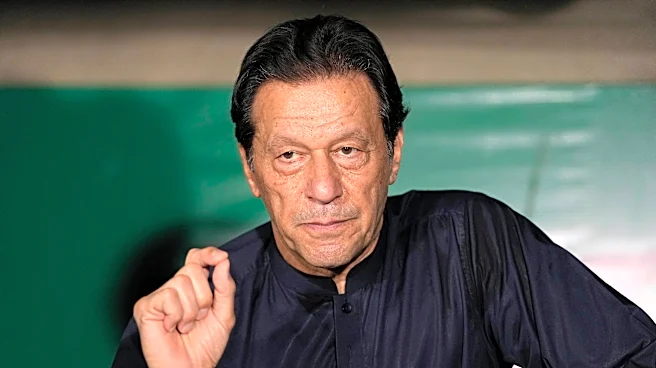
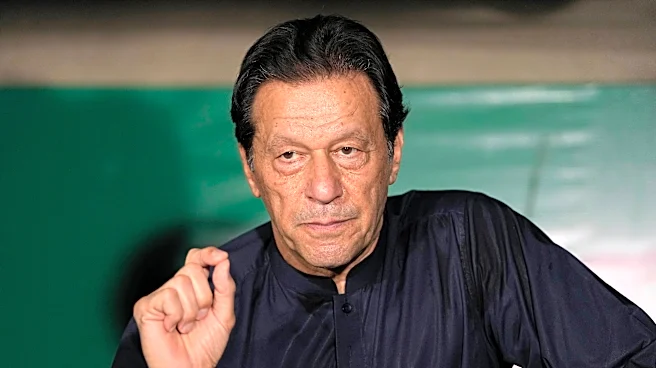
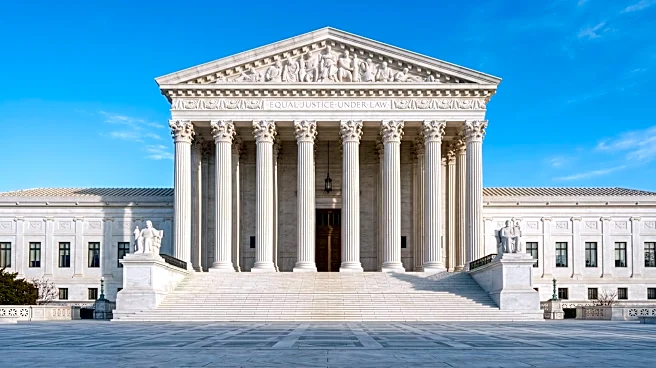
Opposition parties in Pakistan have decided to approach the Supreme Court regarding the government's alleged failure to implement its order concerning the medical treatment of Pakistan Tehreek-e-Insaf (PTI) founder Imran Khan. This decision was made at a meeting
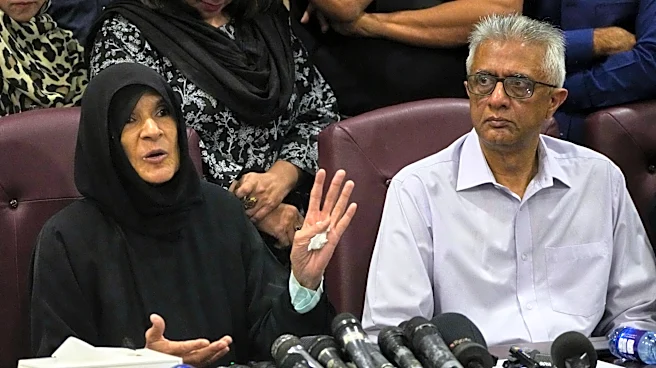
of opposition parliamentary parties, where they also reaffirmed their plans for a full-fledged protest and long march on September 27. The opposition leaders, including National Assembly Opposition Leader Mahmood Khan Achakzai and PTI Chairman Barrister Gohar Khan, expressed deep concern over Imran Khan's health and accused the government of staging a 'drama' regarding his medical care. They maintained that the failure to implement Supreme Court decisions constitutes contempt of court. The Supreme Court had previously ordered Imran Khan's transfer to Shifa International Hospital for treatment, but he was instead taken to the Pakistan Institute of Medical Sciences (PIMS) for examination before being returned to Adiala jail. Information Minister Attaullah Tarar stated that the change was due to a 'security situation created by PTI workers' along the route to Shifa Hospital, and that Imran Khan was declared medically fit after examination at PIMS.
Why It's Important?
This development highlights a significant political and legal confrontation in Pakistan, centering on the treatment of a prominent opposition figure. The opposition's decision to approach the Supreme Court underscores a perceived disregard for judicial orders by the government, potentially eroding public trust in the rule of law and the independence of the judiciary. The planned long march on September 27 signals a potential escalation of political unrest, with the opposition mobilizing public support against the government. This situation could further destabilize the political landscape, impacting governance and policy-making. The controversy surrounding Imran Khan's medical transfer also raises questions about transparency and accountability in the handling of high-profile prisoners. The government's justification for the change in hospital, citing security concerns, is being challenged by the opposition, leading to accusations of political maneuvering. This ongoing tension could divert national attention from critical economic and social issues, further exacerbating existing challenges within the country.
What's Next?
The opposition parties are set to file a contempt of court petition with the Supreme Court on Saturday, seeking the implementation of its order regarding Imran Khan's medical treatment. Concurrently, they will accelerate their public mobilization campaign in Punjab and across the country in preparation for the full-fledged protest and long march scheduled for September 27. The opposition plans to invite all allied parties to join this demonstration, aiming to strengthen their collective voice for constitutional supremacy, democracy, and the rule of law. Barrister Gohar Khan has also indicated that the PTI might reconsider its participation in Parliament, suggesting a potential withdrawal from the assembly if their concerns are not addressed. The government, meanwhile, will likely continue to defend its actions regarding Imran Khan's medical transfer, citing security reasons. The Supreme Court's response to the contempt petition will be crucial in determining the immediate legal trajectory of this dispute, while the success and scale of the September 27 long march will indicate the level of public support for the opposition's demands.
Beyond the Headlines
The ongoing dispute over Imran Khan's medical treatment and the opposition's planned protests reveal deeper fissures within Pakistan's political system. This situation is not merely about a single individual's health but reflects a broader struggle for power, judicial independence, and democratic norms. The accusations of 'drama' and 'contempt of court' highlight a growing distrust between political factions and state institutions. The government's handling of Imran Khan's transfer, despite a Supreme Court order, could be perceived as an attempt to assert executive authority over judicial directives, potentially setting a dangerous precedent. Conversely, the opposition's use of public protests and legal challenges underscores the limited avenues available for dissent in a highly polarized environment. This dynamic could lead to a cycle of confrontation, making it difficult to achieve political stability and consensus on critical national issues. The long-term implications include a potential weakening of democratic institutions, increased political polarization, and a continued struggle for the balance of power among the judiciary, executive, and legislative branches.