







What's Happening?
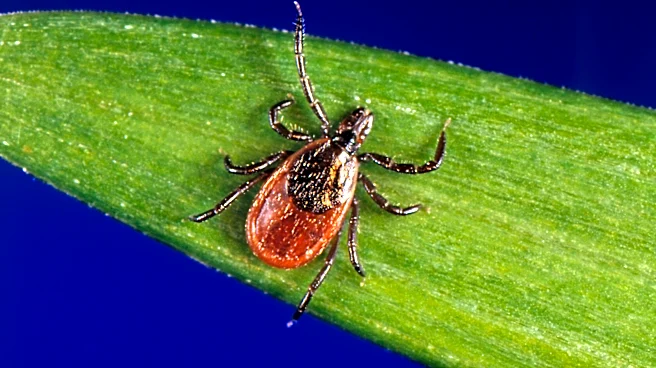
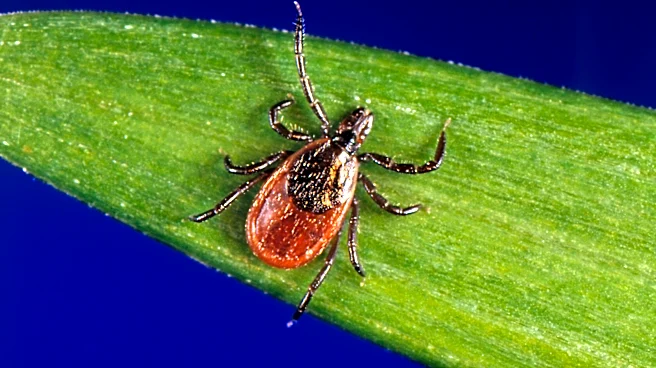
The Centers for Disease Control and Prevention (CDC) has issued an early advisory regarding an increase in tick bites across the United States, signaling a potentially severe year for tick-borne diseases. Emergency room visits for tick bites are reportedly
at their highest since 2017, except in the south-central U.S. Ticks, which thrive in warm, humid conditions, are more prevalent following mild winters. This year, the Northeast has seen a surge in adult ticks, with juvenile nymphs expected to emerge soon, increasing the risk of infections such as Lyme disease, Rocky Mountain spotted fever, and alpha-gal syndrome, a red meat allergy. The CDC emphasizes the importance of taking preventive measures, such as using insect repellents and wearing protective clothing, to reduce the risk of tick bites.
Why It's Important?
The early surge in tick bites poses significant public health concerns, as tick-borne diseases can lead to severe health issues if not promptly treated. Lyme disease, the most common tick-borne illness, affects approximately 476,000 people annually in the U.S. The increase in tick activity could strain healthcare resources, particularly in emergency departments, and lead to higher medical costs for treatment. Additionally, the rise in tick populations is linked to climate change, highlighting the broader environmental challenges that contribute to public health risks. The situation underscores the need for increased public awareness and preventive measures to mitigate the impact of tick-borne diseases.
What's Next?
Researchers will continue to monitor tick populations and disease incidence to assess the full impact of the current surge. Public health officials may implement additional educational campaigns to inform the public about preventive measures. The healthcare system may need to prepare for a potential increase in cases of tick-borne diseases, ensuring adequate resources and training for medical professionals. Long-term strategies may involve addressing environmental factors contributing to tick population growth, such as climate change and wildlife management.