
What's Happening?
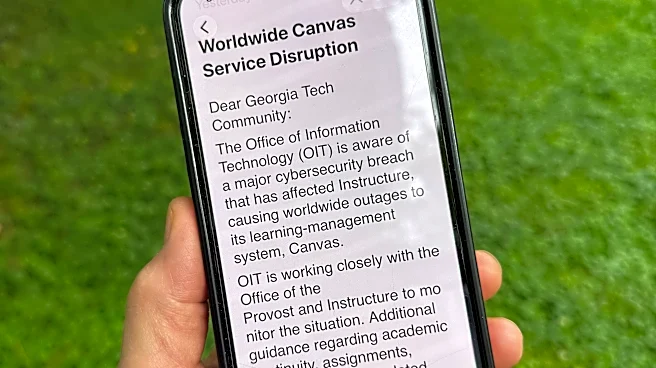
The ShinyHunters ransomware group has initiated a 'pay or leak' extortion campaign targeting educational institutions following a breach of Instructure, the company behind the Canvas Learning Management
System. The breach, which occurred on April 25, resulted in the theft of approximately 275 million records from 8,809 educational institutions. The group exploited a vulnerability in the Free-For-Teacher version of Canvas, exfiltrating over 3.65 TB of data. Initially, ShinyHunters demanded a ransom by May 8, threatening to leak the data if not paid. After the deadline passed, the group intensified its efforts with a school-by-school extortion campaign, defacing around 330 Canvas login pages with ransom demands. The group has set a new deadline of May 12 for negotiations. Instructure has not engaged with the group but has implemented security patches. The attack coincides with the end of the academic year and exam season, increasing pressure on affected institutions.
Why It's Important?
This extortion campaign highlights the vulnerabilities within educational institutions' digital infrastructures, particularly those using widely adopted platforms like Canvas. The timing of the attack, during a critical academic period, exacerbates the potential impact, as institutions may feel pressured to comply with ransom demands to avoid disruptions. The breach underscores the need for robust cybersecurity measures in the education sector, which is increasingly reliant on digital platforms for learning and administration. The potential misuse of stolen personal data poses long-term risks for students and staff, including identity theft and financial fraud. This incident may prompt educational institutions to reassess their cybersecurity strategies and invest in more secure systems to protect sensitive data.
What's Next?
Institutions affected by the breach are advised to take immediate action, such as changing Canvas-related passwords and enabling multi-factor authentication. Staff and students should be vigilant against phishing attempts and fake login prompts. The broader educational community may push for enhanced security protocols and increased funding for cybersecurity measures. Regulatory bodies might also consider implementing stricter data protection standards for educational platforms. The outcome of this extortion campaign could influence future ransomware tactics and targets, potentially leading to more sophisticated attacks on vulnerable sectors.