





What's Happening?
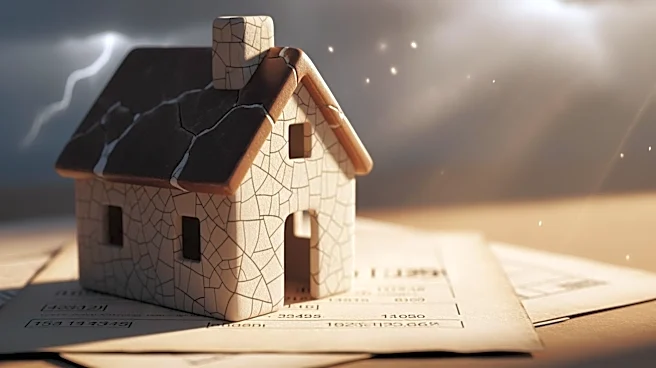
Homeowners across the United States are experiencing significant increases in insurance premiums, with average costs rising by 24% between 2021 and 2024. This surge is attributed to factors such as inflation in home repair costs, climate change leading
to more frequent natural disasters, and increased reinsurance rates. In states like Louisiana and Nebraska, premiums can exceed $6,000 annually. Experts suggest several strategies for homeowners to mitigate these costs, including fortifying homes against natural disasters, raising deductibles, and avoiding small claims. Additionally, maintaining a good credit score and choosing insurance providers wisely can also help reduce premiums.
Why It's Important?
The rising cost of homeowners insurance is a significant financial burden for many Americans, particularly in states prone to natural disasters. As climate change continues to increase the frequency and severity of events like hurricanes and wildfires, insurance costs are likely to keep rising. This situation underscores the importance of proactive measures by homeowners to protect their properties and manage insurance expenses. The financial strain from these rising costs could also impact the housing market, as potential buyers may be deterred by the high cost of insuring homes in certain areas.
What's Next?
Homeowners may need to consider investing in home improvements that enhance disaster resilience, as these can potentially lower insurance premiums. Additionally, state and federal policies could evolve to provide more support for homeowners facing high insurance costs, such as grants for home fortification. The insurance industry may also see changes in how premiums are calculated, with a greater emphasis on individual risk assessments. As climate change continues to impact the frequency of natural disasters, the dialogue around insurance affordability and accessibility is likely to intensify.