







What's Happening?
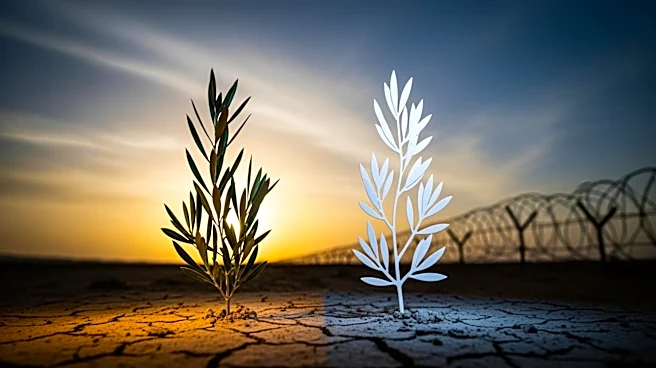
President Trump has announced an extension of the ceasefire deadline with Iran, a move aimed at reducing escalating tensions between the two nations. This decision comes as part of ongoing diplomatic efforts to stabilize the region and prevent further
conflict. The extension is seen as a strategic measure to allow more time for negotiations and to avoid military confrontation. The ceasefire, initially set to expire soon, has been a critical component in maintaining a fragile peace in the Middle East. This development is part of a broader U.S. foreign policy strategy to engage with Iran through diplomatic channels rather than military means.
Why It's Important?
The extension of the ceasefire deadline is significant as it reflects the U.S. administration's commitment to diplomacy over military action. This move could potentially ease tensions in the Middle East, a region that has been a focal point of international conflict for decades. By extending the deadline, the U.S. is signaling its willingness to engage in dialogue, which could lead to more stable relations with Iran. This decision also impacts global oil markets, as stability in the region can influence oil prices and economic conditions worldwide. Furthermore, it demonstrates the U.S.'s strategic approach to foreign policy under President Trump's leadership.
What's Next?
The next steps involve continued diplomatic negotiations between the U.S. and Iran. Both nations are expected to engage in talks to address underlying issues and work towards a more permanent resolution. The international community will be closely monitoring these developments, as the outcome could have far-reaching implications for global security and economic stability. Additionally, other regional players may be involved in facilitating discussions to ensure a comprehensive and lasting peace agreement.