





What's Happening?
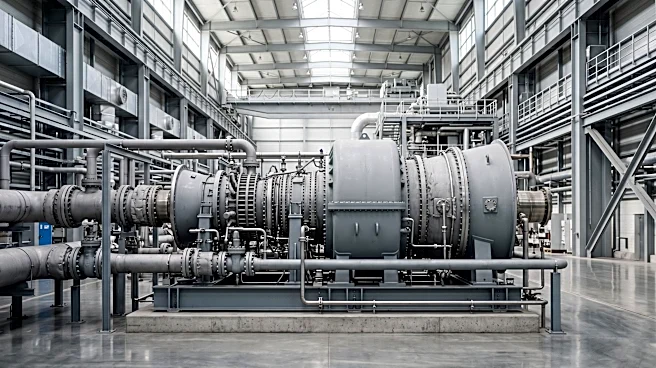
The Mississippi Department of Environmental Quality (MDEQ) has rejected an appeal challenging an air permit granted to SpaceXAI for its data center power plant in Southaven. The permit, initially issued in March, authorizes SpaceXAI to operate 41 methane
gas turbines to supply power to its Colossus 2 data center located in Memphis, just across the state line. Environmental activist groups filed an appeal a month after the permit was granted, citing concerns over harmful emissions from the turbines and significant community opposition. Following a two-day evidentiary hearing in Jackson, where experts from all involved parties presented arguments, the MDEQ Permit Board dismissed the appeal. The board concluded that there was "insufficient evidence" to substantiate the claims made by the environmental groups, thereby allowing SpaceXAI to continue with its plans to operate the gas turbines in Southaven. This decision upholds the original air permit for the facility.
Why It's Important?
This decision by the MDEQ carries significant implications for environmental regulation, industrial development, and community health in the region. For SpaceXAI, the ruling clears a major regulatory hurdle, allowing it to proceed with powering its large data center, which is crucial for its operational capacity and expansion plans. However, environmental groups argue that the facility will become one of the largest polluters in the area, potentially releasing substantial amounts of harmful air pollution into nearby communities in North Mississippi and South Memphis. This raises concerns about public health, particularly for vulnerable populations. The outcome also sets a precedent for how industrial projects with significant environmental footprints are evaluated and approved in Mississippi, potentially influencing future regulatory decisions and the balance between economic development and environmental protection. The ongoing legal challenges, including a lawsuit by the NAACP alleging Clean Air Act violations, underscore the contentious nature of such projects.
What's Next?
With the MDEQ's decision to dismiss the appeal, SpaceXAI is now cleared to proceed with the operation of its methane gas turbines in Southaven under the existing air permit. However, the legal challenges are not entirely resolved. The National Association for the Advancement of Colored People (NAACP) has filed a separate lawsuit against the MDEQ, alleging that SpaceXAI violated the Clean Air Act by operating the turbines before the permit was officially approved. Although the Department of Justice sought to dismiss this suit, a federal court rejected that appeal in late October, indicating that this legal battle may continue. Environmental groups are likely to explore further legal avenues or advocacy efforts to address their concerns regarding the plant's emissions and its impact on local communities. The situation could also prompt increased scrutiny of future industrial permits in the state and potentially lead to calls for stricter environmental regulations.
Beyond the Headlines
The controversy surrounding SpaceXAI's air permit highlights a broader national tension between rapid technological expansion, particularly in data infrastructure, and environmental protection. The reliance on methane gas turbines for power, while providing a consistent energy source for data centers, raises questions about the commitment to cleaner energy alternatives and the long-term environmental strategy for large-scale industrial operations. This case also underscores issues of environmental justice, as concerns about pollution disproportionately affecting communities in North Mississippi and South Memphis have been voiced. The legal battles and appeals processes reveal the complexities of environmental law and the challenges faced by activist groups in proving harm and influencing regulatory outcomes. The decision could influence corporate responsibility standards for tech giants and prompt a re-evaluation of energy sourcing for data centers across the U.S., pushing for more sustainable and less polluting power solutions in the future.