






What's Happening?
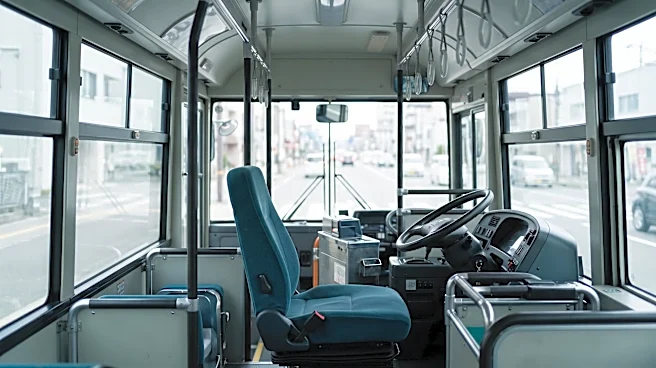
A Kyoto city bus driver, after 29 years of service, has lost his entire retirement allowance of 12.1 million yen (approximately $80,000 USD) following a Supreme Court ruling. The driver was dismissed in March 2022 for pocketing a 1,000-yen fare (about
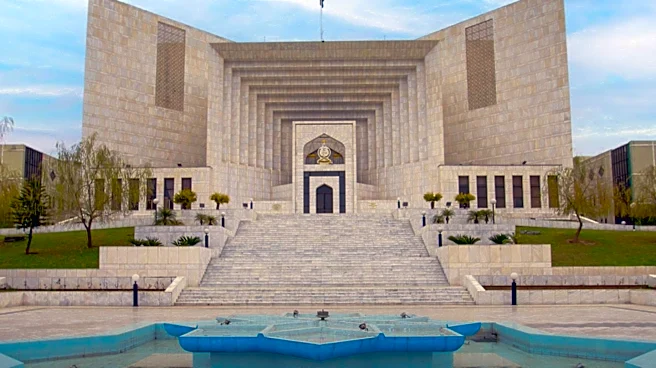
$7 USD) and using an e-cigarette on duty. Initially, the Kyoto District Court upheld both the dismissal and the forfeiture of his retirement pay. However, the Osaka High Court later ruled that while the dismissal was proper, stripping him of his retirement allowance for a $7 infraction was disproportionate, especially given his otherwise clean record over nearly three decades. The City of Kyoto appealed this decision to the Supreme Court. On April 17, the Supreme Court unanimously overturned the High Court's ruling, deeming the withholding of the allowance lawful. The court stated that pocketing public funds constituted 'serious misconduct' that 'significantly damaged the public’s trust in the bus business,' emphasizing that the issue was not the amount but the breach of financial trust inherent in the driver's role.
Why It's Important?
This Supreme Court decision sets a significant precedent for public sector workers in Japan, particularly those in roles involving direct, unsupervised handling of public funds. The ruling clarifies that the amount of money embezzled is less critical than the act of taking it, establishing a lower threshold for what constitutes a serious breach of trust in such positions. This could lead to stricter interpretations of misconduct policies across various public services, potentially increasing accountability but also raising concerns about proportionality in disciplinary actions. For employees, it underscores the severe consequences of even minor financial improprieties when public trust is involved. For public institutions, it reinforces their ability to enforce stringent ethical standards, aiming to maintain public confidence in their operations. The case highlights a judicial disagreement on proportionality, with two lower courts reaching different conclusions, indicating the complexity of balancing punishment with the severity of the offense.
What's Next?
The Supreme Court's ruling is legally final, closing this specific case. The former driver will not receive his 12.1 million yen retirement bonus and has also incurred approximately three years' worth of legal fees. This decision is expected to influence future disciplinary actions and policy reviews within public transportation bureaus and other government sectors in Japan where employees handle public money. Public sector unions and employee advocacy groups may scrutinize this ruling and potentially push for clearer guidelines or protections regarding proportionality in disciplinary measures. While the legal battle is over for this individual, the broader discussion about the fairness and proportionality of penalties for minor infractions in positions of trust is likely to continue within legal and public discourse in Japan.
Beyond the Headlines
The case delves into the deeper societal value placed on public trust and integrity within Japanese institutions. The Supreme Court's emphasis on the 'breach of institutional trust' over the monetary value of the embezzlement reflects a cultural priority on maintaining the integrity of public service. This perspective suggests that certain roles carry an elevated ethical responsibility, where any deviation, regardless of scale, can be seen as undermining the foundational trust between the public and its service providers. The initial denial by the driver, only recanted when confronted with video evidence, likely exacerbated the perception of a deliberate breach rather than a simple error. This ruling could also spark broader conversations about the balance between zero-tolerance policies and individual circumstances, especially for long-serving employees with otherwise unblemished records, prompting a re-evaluation of how justice is applied in cases involving both minor offenses and significant career repercussions.