








What's Happening?
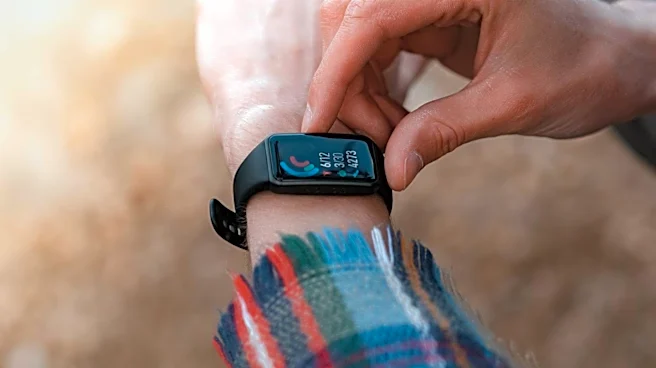
Artificial intelligence (AI) analysis of data from wearable devices can predict a hypertensive crisis up to three days before it occurs, according to findings presented at the American Heart Association’s Scientific Sessions 2026. A study involving 4,190
adults with stage 2 hypertension in Pakistan continuously monitored participants' blood pressure using wrist-worn fitness trackers for 12 months. An AI tool analyzed 47 features, including blood pressure fluctuations, changes during sleep, and morning blood pressure increases, to forecast a crisis within 72 hours. The AI model achieved high accuracy in identifying at-risk patients. Key predictors included a failure of blood pressure to decrease during sleep, which nearly quintupled the odds of a crisis, and a rise of over 35 mm Hg after waking, which nearly quadrupled the odds. When physicians were alerted to potential episodes and adjusted medication, hypertensive crises were reduced by 61%, and emergency department visits decreased by 45%.
Why It's Important?
This development signifies a major leap in preventive healthcare, particularly for managing hypertension, a leading cause of emergency department visits and severe health complications like stroke and heart attack. Traditionally, blood pressure measurements offer only snapshots, making it difficult to predict sudden, dangerous spikes. Continuous monitoring combined with AI provides a dynamic, predictive capability that could transform how hypertension is managed. For patients, this means earlier intervention, potentially preventing life-threatening events and improving overall quality of life. For the healthcare system, a reduction in emergency department visits and crises could lead to significant cost savings and alleviate strain on medical resources. The ability to proactively adjust medication based on AI-driven predictions moves healthcare from a reactive to a more preventive model, benefiting both individual patient outcomes and public health infrastructure.
What's Next?
Further research is needed to determine how these high-risk alerts should guide clinical responses and whether this approach improves outcomes in broader populations, especially outside the single-hospital setting where the initial study was conducted. The integration of such AI tools into standard clinical practice will require robust validation across diverse demographics and healthcare systems. Additionally, guidelines for physician response to AI-generated alerts will need to be developed to ensure effective and ethical implementation. As technology evolves, these tools are expected to support more personalized care, encouraging earlier discussions about treatment, lifestyle changes, and medication adherence. The focus will be on how digital health technologies can complement, rather than replace, clinical decision-making for individuals with hypertension.
Beyond the Headlines
The broader implications of this technology extend to the ethical considerations of AI in medicine, data privacy, and equitable access to advanced healthcare. As AI models become more integrated into patient care, questions will arise regarding the transparency of algorithms, potential biases in data sets, and the responsibility for medical decisions made with AI assistance. Ensuring data security for continuously monitored health metrics will be paramount. Furthermore, the cost and accessibility of wearable devices and AI analysis could create disparities in healthcare access, potentially widening the gap between those who can afford such technologies and those who cannot. This innovation also highlights a shift towards patient empowerment, where individuals, through wearable tech, become more active participants in managing their health, fostering a more proactive and personalized approach to chronic disease management.