
What's Happening?
The U.S. Justice Department has announced a new $1.8 billion 'anti-weaponization' fund, which has drawn criticism for lacking the rigorous controls typically associated with similar programs. Acting Attorney
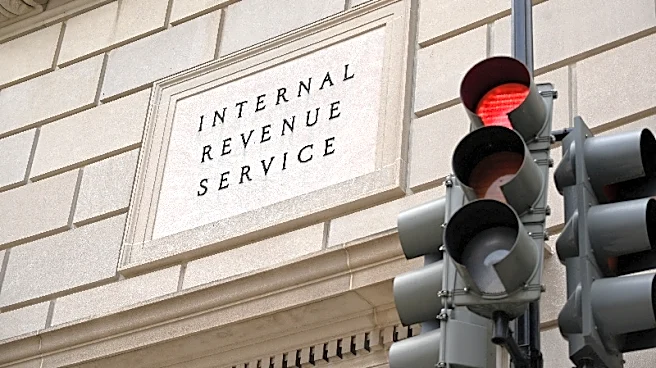
General Todd Blanche introduced the fund as part of a settlement to end President Trump's lawsuit against the Internal Revenue Service. However, the fund's structure and oversight mechanisms remain unclear, raising concerns among officials who have managed past compensation programs. These programs, such as those for victims of the September 11 attacks, were established by Congress and included strict protocols and transparency. The new fund will be managed by five commissioners appointed by the Attorney General, who can be removed by President Trump. Critics argue that the fund lacks front-end scrutiny and transparency, which are essential for ensuring accountability.
Why It's Important?
The introduction of the 'anti-weaponization' fund without clear safeguards could have significant implications for public trust in government compensation programs. The lack of transparency and oversight may lead to concerns about the equitable distribution of funds and the potential for misuse. This development is particularly important as it involves taxpayer money and could set a precedent for how future funds are managed. The fund's reliance on the Treasury Department's judgment fund, which offers considerable discretion to the Attorney General, further underscores the need for stringent oversight. The absence of clear guidelines and criteria for eligibility could undermine the fund's credibility and effectiveness, potentially affecting those it aims to compensate.
What's Next?
The Justice Department is expected to provide more details on the fund's structure and oversight in the coming months. The appointed commissioners will be responsible for developing standards for eligibility and payment distribution. However, it remains unclear whether the fund will be subject to audits or independent oversight. Stakeholders, including legal experts and former officials, may continue to advocate for more transparency and accountability measures. The Senate appropriations panel may also seek further clarification and assurances from the Justice Department to ensure the fund operates in good faith and serves its intended purpose effectively.