






What's Happening?
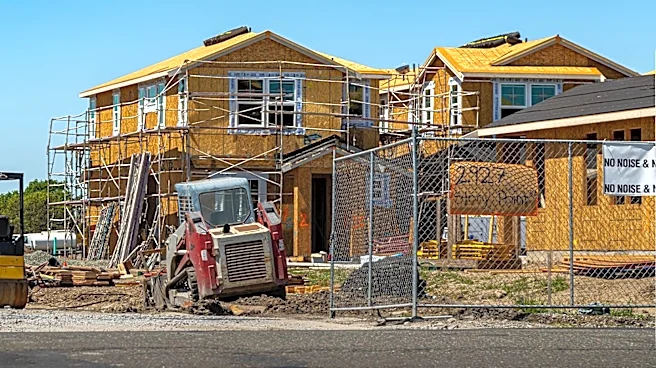
Habitat for Humanity is actively constructing 20 new family homes as part of its Griffith Station development in Arvada, within the Denver metro area. This project aims to provide affordable housing opportunities for future homeowners, including Gretchen
Sechler and her daughter, who are among the beneficiaries. The City of Arvada donated the land for the development, which will feature two-story homes with three or four bedrooms and a single-car garage. Volunteers, alongside future homeowners like Sechler, are working collaboratively on the construction. Sechler, who struggled to find an affordable option in the traditional housing market, expressed her excitement about the opportunity, with her family expected to move into their new home next spring. Construction is anticipated to continue through next summer, with ongoing volunteer opportunities available.
Why It's Important?
This initiative is crucial in addressing the pressing issue of affordable housing in the Denver metro area, a region experiencing significant housing cost challenges. The project provides a tangible pathway to homeownership for families who might otherwise be priced out of the market, offering stability and the opportunity to build equity and wealth. Affordable housing is a cornerstone of community well-being, impacting children's education, family stability, and overall economic mobility. By involving future homeowners in the construction process, Habitat for Humanity fosters a sense of ownership and community engagement. The donation of land by the City of Arvada highlights the importance of public-private partnerships in tackling housing crises and demonstrates a commitment to creating inclusive communities where diverse income levels can thrive.
What's Next?
Construction on the Griffith Station project is slated to continue through next summer, with homes being completed and families moving in on a rolling basis, starting with Gretchen Sechler and her daughter next spring. Habitat for Humanity will continue to rely on volunteers to complete the remaining homes, and opportunities for community involvement are still available. The success of this project may encourage other municipalities and non-profit organizations to replicate similar models of land donation and collaborative construction to expand affordable housing options in other high-cost areas. The long-term impact will be seen in the stability and growth of the families who become homeowners, as well as the overall strengthening of the Arvada community.
Beyond the Headlines
The Griffith Station project goes beyond simply providing shelter; it represents a model for community building and empowerment. The involvement of future homeowners in the construction process instills a deeper connection to their homes and neighborhood, fostering a sense of pride and collective responsibility. This approach also challenges the traditional landlord-tenant dynamic, promoting self-sufficiency and long-term investment in one's living environment. Furthermore, the project underscores the critical role of local government in facilitating affordable housing solutions through land contributions and supportive policies. It highlights the social and economic benefits of stable housing, which extend to improved educational outcomes for children, better health, and increased civic participation, ultimately contributing to a more equitable and resilient society.