





What's Happening?
Britain and France are spearheading Exercise Koalicja, a multinational military exercise scheduled from November 9th to 22nd, involving approximately 2,800 personnel from 11 countries. The exercise aims to test the readiness of the Multinational Force
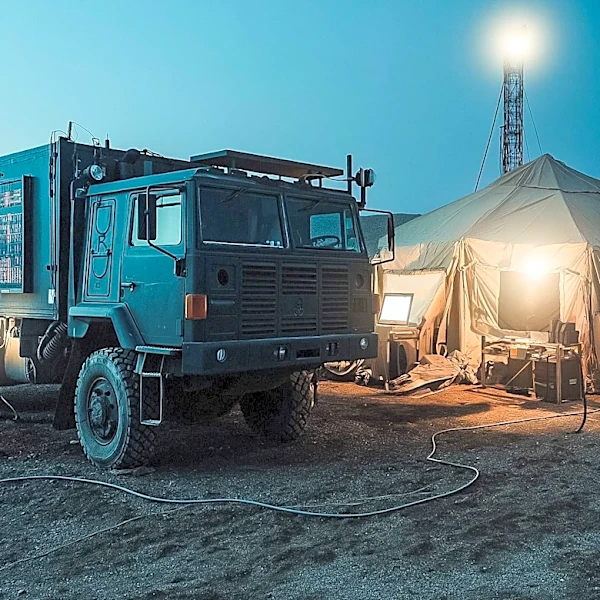
Ukraine, focusing on land, air, and maritime activities. This force is intended to operate in Ukraine after active fighting ceases and with the Ukrainian government's consent, with responsibilities including supporting the regeneration of Ukraine's armed forces and enhancing airspace and maritime security. Britain is contributing around 300 personnel, including soldiers from the Army’s 7 Brigade, RAF Typhoon fighters, and a Voyager refueling aircraft. The exercise will specifically examine the logistical challenges of moving personnel, equipment, and supplies across Europe and integrating them into a unified operational structure. Key considerations include establishing dependable supply routes, fuel, maintenance, medical evacuation, and secure communications, while also accounting for potential attacks on logistical hubs and the need for robust air defense.
Why It's Important?
This exercise is crucial for assessing the practical readiness of a multinational force intended for post-conflict deployment in Ukraine. It highlights the complex logistical and security challenges inherent in such an operation, particularly the need to protect personnel from potential missile and drone attacks even after active fighting ends. The emphasis on dependable supply routes, air defense, and secure communications underscores the lessons learned from Ukraine's ongoing conflict regarding the vulnerability of logistical infrastructure. The exercise also tests command arrangements, which are vital for reconciling national military procedures, communication systems, and rules of engagement among participating nations. The involvement of Turkish forces in maritime mine clearance further connects the deployment to broader economic consequences, as secure maritime access is essential for Ukraine's agricultural exports. The credibility of this future European mission will depend on its capabilities, command authority, and the political commitments backing it.
What's Next?
Exercise Koalicja will provide an opportunity to evaluate the practical readiness of the Multinational Force Ukraine, but it will not resolve underlying political questions. European governments still need to define the precise military response to an attack on deployed personnel and clarify the nature of security guarantees, which differ from NATO's collective-defense arrangements. Following the exercise, participating nations will likely assess the findings to refine operational plans, address identified shortcomings in logistics, command, and air defense, and further deliberate on the political commitments required for a deployment inside Ukraine. The results will inform future discussions among European governments regarding the scope, scale, and rules of engagement for any eventual mission, particularly concerning the potential for renewed hostilities and the protection of forces in a volatile environment.
Beyond the Headlines
The planning for a multinational force in Ukraine, as demonstrated by Exercise Koalicja, reveals a significant shift in European security strategy, moving beyond political declarations to practical military preparations for post-conflict stabilization. This initiative reflects a growing recognition that even after a ceasefire, substantial military presence and robust logistical support will be necessary to ensure Ukraine's long-term security and reconstruction. The exercise also implicitly acknowledges the enduring threat posed by Russia, even in a post-conflict scenario, necessitating comprehensive defensive measures. The focus on integrating diverse national forces into a cohesive structure highlights the ongoing efforts to enhance interoperability and collective defense capabilities within Europe, potentially setting a precedent for future multinational interventions in complex security environments. The ethical and legal dimensions of operating in a potentially hostile environment, particularly concerning rules of engagement and the protection of personnel, will remain critical considerations.