
What's Happening?
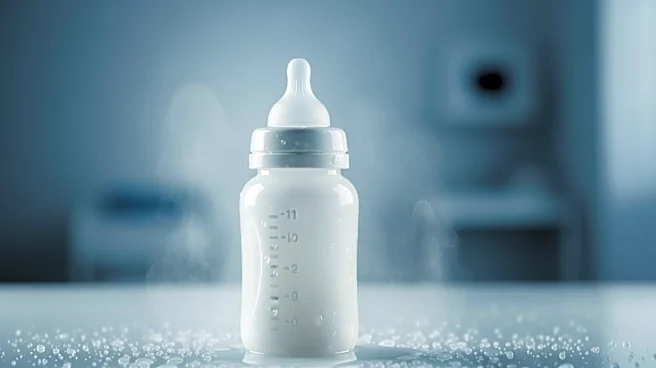
Legislative efforts across the United States are making raw milk more accessible, with over 40 bills introduced to expand its availability. This push is driven by a belief in the health benefits of raw milk,
despite the lack of scientific evidence supporting these claims. Raw milk, which is unpasteurized, poses significant health risks due to potential contamination with harmful bacteria such as E. coli, Salmonella, and Listeria. Experts warn that the increased accessibility of raw milk could lead to more outbreaks of foodborne illnesses. The debate over raw milk reflects broader issues of personal freedom versus public health safety.
Why It's Important?
The move to deregulate raw milk sales could have significant public health implications. While proponents argue for consumer choice and natural health benefits, the risks associated with raw milk consumption are well-documented. The potential for increased outbreaks of foodborne illnesses poses a threat not only to those who consume raw milk but also to the wider community through secondary transmission. This legislative trend may also influence other areas of food safety regulation, potentially undermining established public health protections. The situation highlights the tension between individual rights and collective safety in public health policy.
What's Next?
As more states consider legislation to ease restrictions on raw milk, public health officials and food safety experts are likely to intensify their efforts to educate the public about the risks. The debate may lead to increased scrutiny of food safety regulations and could prompt a reevaluation of how such products are marketed and sold. The outcome of these legislative efforts will have implications for other controversial food products and could set a precedent for future regulatory decisions. Ongoing monitoring of raw milk-related illnesses will be crucial in assessing the impact of these changes.