




What's Happening?
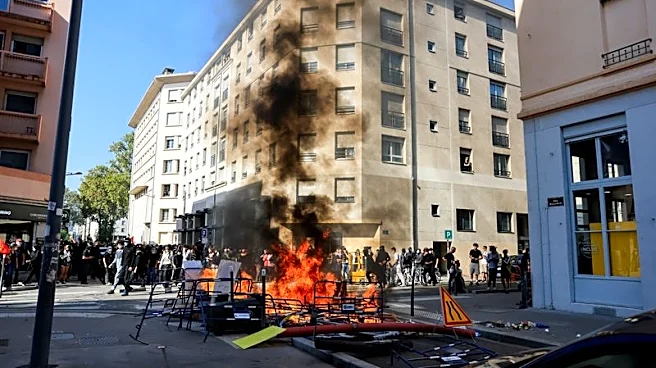
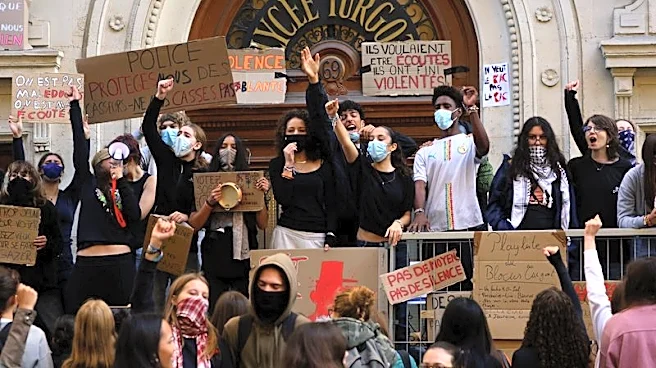
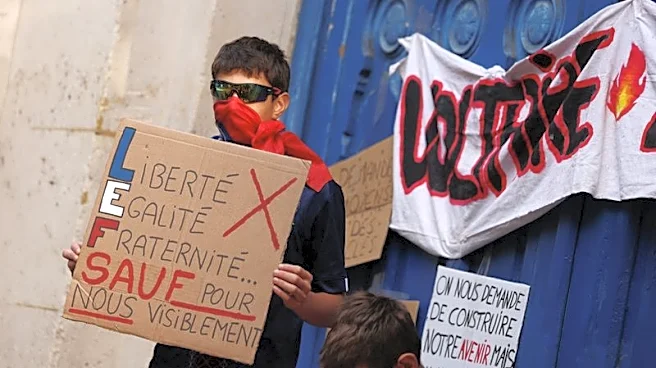
More than 400 individuals, predominantly high school students, were detained across France on Tuesday as protests escalated into violent clashes with police. Students blockaded their schools to demonstrate against issues such as overcrowded classrooms,
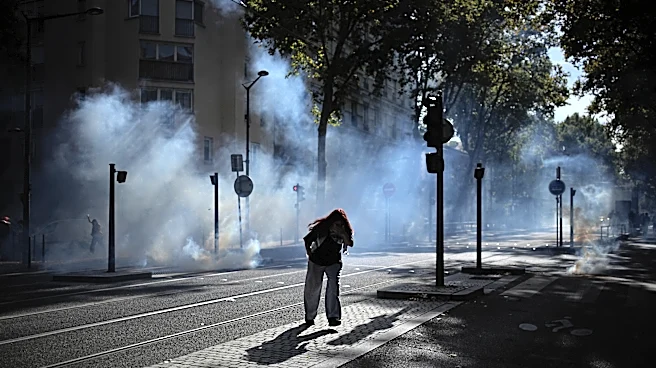
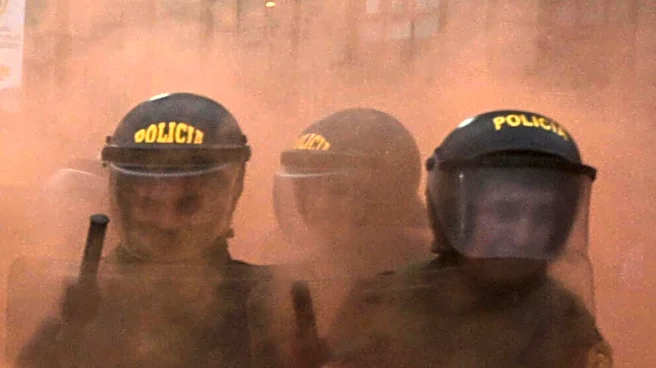
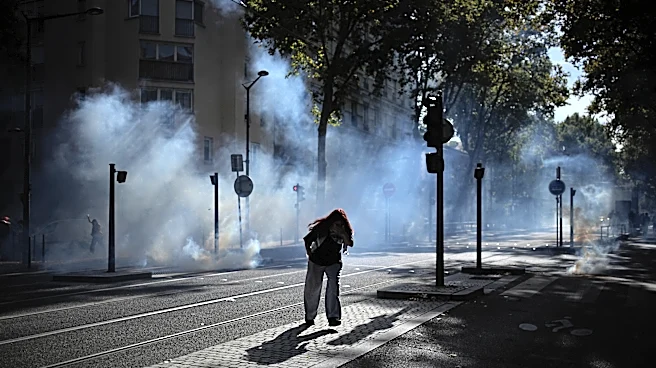
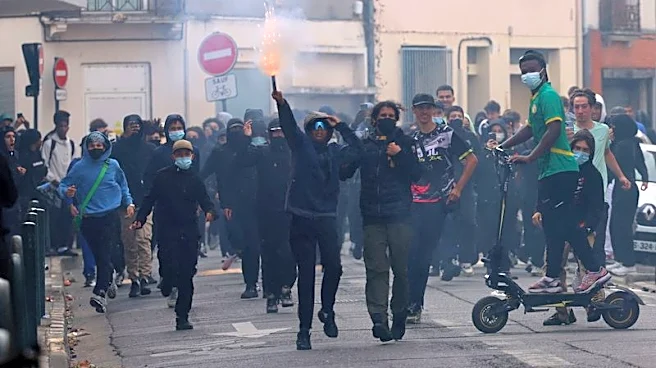
teacher shortages, and lengthy timetables. Interior Minister Laurent Nunez reported that 440 detentions occurred nationwide, with two-thirds leading to police custody. The education ministry confirmed that approximately 400 out of 3,700 schools were affected by protests or disruptions. In cities like Lille, students set fires, threw projectiles at police, and vandalized public property, prompting officers to respond with teargas. Similar confrontations were reported in Bordeaux, Rennes, Nantes, and Marseille. Nunez stated that 48 police officers were injured, with seven instances of hydrochloric acid being thrown at them. Prime Minister Sébastien Lecornu condemned the violence, while Jean-Luc Mélenchon, leader of the hard-left France Unbowed, criticized the government's response as a 'crackdown' with 'racist undertones.'
Why It's Important?
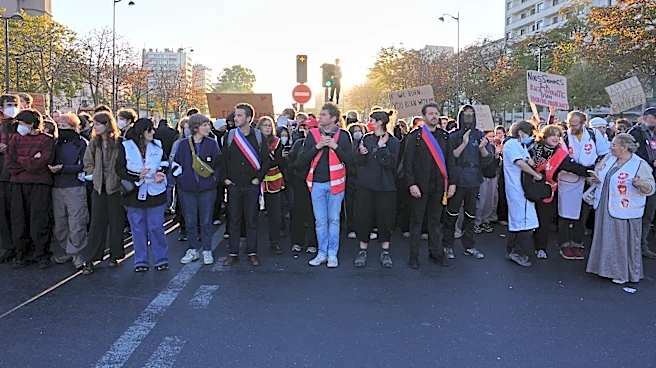
These widespread student protests highlight significant underlying issues within the French education system and broader societal discontent. The demonstrations, which have turned violent, underscore the frustration among young people regarding perceived inadequate resources and staffing. The involvement of political figures like Mayor Bally Bagayoko, who joined a protest and led students in the national anthem, indicates the political sensitivity and potential for these student actions to merge with wider social movements. The clashes also raise concerns about police tactics and the government's approach to youth dissent, particularly given Mélenchon's accusations of racism and disproportionate force. The protests coincide with broader union strikes against the government's budget plans, including €54 million in public spending cuts, suggesting a confluence of grievances that could destabilize the political landscape and impact public policy decisions regarding education and social welfare.
What's Next?
The immediate aftermath will likely involve continued police presence around schools and potential further detentions as authorities attempt to quell the unrest. The government will face pressure to address the students' grievances regarding class sizes, teacher shortages, and timetables, possibly through policy adjustments or increased funding, though the ongoing budget cuts present a challenge. The political rhetoric surrounding the protests, particularly accusations of racism and excessive force, will likely intensify, leading to further debate and scrutiny of government actions. Union leaders and student representatives will likely continue to organize demonstrations and advocate for their demands. The situation could also influence public opinion ahead of future elections, as the government's handling of the protests and its response to educational concerns will be closely watched by the electorate.
Beyond the Headlines
The student protests in France reveal deeper societal anxieties about the future of public services and intergenerational equity. The students' complaints about overcrowded classrooms and teacher shortages reflect a broader concern about the quality and accessibility of education, particularly in lower-income areas, as highlighted by Mayor Bagayoko. This situation could exacerbate social inequalities and limit opportunities for a significant portion of the youth. The use of violence by some protesters and the strong police response also point to a breakdown in trust between youth and authority figures. Furthermore, the protests occurring alongside general strikes against budget cuts suggest a growing resistance to austerity measures and a demand for greater investment in public sectors. This could signal a long-term shift in public discourse towards prioritizing social welfare over fiscal conservatism, potentially leading to significant policy changes in the coming years.