
What's Happening?
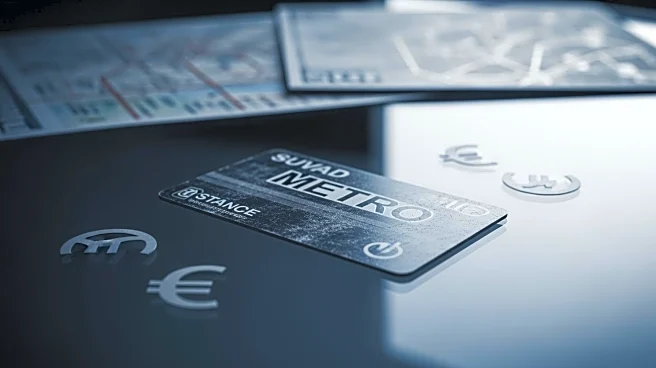
The Metropolitan Transportation Authority (MTA) has officially phased out MetroCards, which were first introduced in 1994, in favor of a new contactless payment system. As of December 31, MetroCards are
no longer available for purchase through the MTA, having been replaced by OMNY Cards and other contactless payment methods. This transition marks the end of an era for New York City's public transportation system, which had relied on MetroCards for over two decades. In response to their discontinuation, MetroCards have become highly sought after on resale platforms like eBay, with some listings reaching prices as high as $5,000. These listings include rare and collectible versions of the MetroCard, such as a Notorious B.I.G. collaboration card from 2022 and a green Student Pass from 2002.
Why It's Important?
The shift from MetroCards to contactless payment systems represents a significant technological advancement in public transportation, aligning with broader trends towards digital and contactless transactions. This change is expected to streamline the commuting experience for millions of New Yorkers, offering more convenience and efficiency. However, the high resale value of MetroCards highlights their cultural significance and nostalgic value to many residents. The transition also reflects a broader move towards modernizing infrastructure in urban areas, potentially influencing other cities to adopt similar technologies. The resale market for MetroCards underscores the intersection of technology, culture, and commerce, as collectors and enthusiasts seek to preserve a piece of New York City's transit history.
What's Next?
As the MTA continues to implement the OMNY system, it is likely that more commuters will adapt to the new technology, potentially leading to further innovations in public transportation payment systems. The success of this transition could encourage other metropolitan areas to consider similar upgrades. Additionally, the resale market for MetroCards may continue to grow, particularly for rare and collectible editions, as they become more scarce over time. The MTA may also face challenges in ensuring that all commuters, including those less familiar with digital technology, can easily transition to the new system.
Beyond the Headlines
The discontinuation of MetroCards raises questions about the preservation of cultural artifacts in the digital age. As physical tokens of everyday life are replaced by digital alternatives, there is a growing interest in collecting and preserving these items as part of cultural heritage. This trend is evident in the high resale prices of MetroCards, which have become symbols of a bygone era in New York City's history. The transition also highlights the need for inclusive technological advancements that consider the diverse needs of all users, ensuring that no group is left behind in the shift towards digital solutions.